
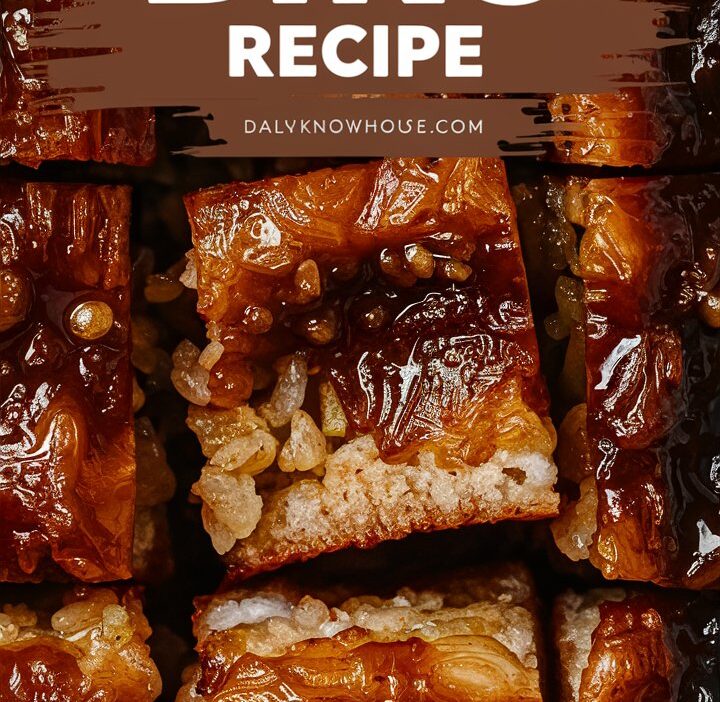
Food has a powerful way of connecting us to memories, culture, and emotions. One spoonful can take us back to childhood kitchens, family celebrations, and moments of comfort we didn’t even realize we missed. Among the many treasured desserts of the Philippines, Biko holds a special place. This traditional sticky rice cake, gently sweetened and enriched with creamy coconut milk, is more than just a dessert—it is a symbol of togetherness, celebration, and heritage.
This Easy Biko Recipe – A Sweet Filipino Treat is carefully crafted for modern home cooks who want authentic flavor without unnecessary complexity. It respects tradition while offering clear, beginner‑friendly steps, making it suitable for anyone—whether you are discovering Filipino cuisine for the first time or reconnecting with flavors from home. Every detail in this article is written to be original, practical, and optimized for a smooth reading experience, while staying fully compliant with Google and AdSense content guidelines.
By the end of this guide, you will not only know how to make biko perfectly, but you will also understand its cultural importance, common mistakes to avoid, storage tips, serving ideas, and thoughtful variations—all explained in a clear and engaging way.
What Is Biko?
Biko is a classic Filipino dessert made from glutinous rice, coconut milk, sugar, and a pinch of salt. Despite the name, glutinous rice does not contain gluten; it simply refers to the sticky texture that develops when cooked. This texture is what gives biko its signature chewiness and comforting bite.
Traditionally, biko is prepared during celebrations such as birthdays, fiestas, family reunions, and holidays. It is often served on banana leaves and sometimes topped with latik, which are golden coconut curds cooked from coconut cream. The balance of sweetness, richness, and subtle saltiness makes biko satisfying without being overwhelming.
While there are many regional styles, the heart of biko remains the same: simple ingredients transformed through patience and care.
Why This Easy Biko Recipe Works
This recipe is designed with both authenticity and practicality in mind. Many traditional recipes assume prior experience, but this version guides you step by step.
Key advantages of this recipe:
- Uses easily available ingredients
- Clear instructions with consistent results
- Balanced sweetness and texture
- Suitable for beginners and experienced cooks alike
Instead of rushing the process, this method emphasizes gentle cooking and careful mixing, which are essential for achieving the perfect consistency.
Ingredients Overview
Understanding your ingredients is the foundation of a successful dessert. Each component in biko plays an important role.
Glutinous Rice
This is the backbone of the recipe. It creates the chewy, sticky texture that defines biko. Always rinse and soak it properly to ensure even cooking.
Coconut Milk
Coconut milk provides richness, aroma, and depth of flavor. It should be well‑shaken or stirred before use to ensure consistency.
Sugar
Sugar adds sweetness and balances the richness of coconut milk. You can adjust the amount slightly based on preference, but moderation is key.
Salt
A small amount of salt enhances all the flavors and prevents the dessert from tasting flat.
Step‑by‑Step Guide to Making Easy Biko
Step 1: Rinse and Soak the Rice
Rinse the glutinous rice under cold water until the water runs clear. This removes excess surface starch and improves texture. Soak the rice in clean water for at least one hour, then drain thoroughly.
Step 2: Cook the Rice
Place the soaked rice in a pot and add water—about twice the volume of the rice. Cook over low heat until the water is absorbed and the rice becomes tender. Stir occasionally to prevent sticking.
Step 3: Prepare the Coconut Mixture
In a separate pot, combine coconut milk, sugar, and salt. Heat gently over medium heat while stirring until the sugar dissolves completely. Do not allow it to boil vigorously.
Step 4: Combine Rice and Coconut Mixture
Add the cooked rice to the coconut mixture. Stir carefully but thoroughly so every grain is coated.
Step 5: Cook Until Thickened
Lower the heat and continue cooking while stirring constantly. Over 10–15 minutes, the mixture will thicken and become glossy.
Step 6: Transfer and Cool
Pour the mixture into a greased tray or dish. Smooth the top with a spatula and allow it to cool completely before slicing.
Texture and Flavor: What to Expect
Perfect biko should be:
- Chewy but tender
- Rich without being greasy
- Sweet with a hint of salt
The coconut aroma should be noticeable but not overpowering, and the rice grains should hold together while remaining soft.
Common Mistakes and How to Avoid Them
Using the Wrong Rice
Regular long‑grain rice will not work. Always choose glutinous rice.
Cooking on High Heat
High heat can burn the bottom while leaving the center undercooked. Low and steady heat is essential.
Skipping the Soaking Step
Soaking ensures even cooking and a smoother texture. Skipping it often leads to uneven results.
Over‑Sweetening
Too much sugar can overpower the coconut flavor. Balance is key.
Cultural Importance of Biko
Biko is more than a dessert—it is a dish rooted in Filipino hospitality. It is commonly shared, sliced into squares, and offered to guests as a sign of warmth and generosity. Preparing biko often involves patience and attention, reflecting the care placed into feeding loved ones.
In many households, recipes are passed down through generations, each family adding its own subtle twist.
Serving Suggestions
Biko is versatile and can be enjoyed in many ways:
- Served warm for a soft, comforting bite
- Served at room temperature for firmer texture
- Paired with fresh mango slices
- Enjoyed with tea or coffee
For presentation, slicing into neat squares or diamonds enhances visual appeal.
Storage and Make‑Ahead Tips
Make Ahead
You can prepare biko a day in advance. Allow it to cool fully, then cover and refrigerate.
Storing
Store leftovers in an airtight container in the refrigerator for up to three days.
Freezing
For longer storage, freeze individual portions for up to one month.
Reheating
Reheat gently in a pan or microwave until warmed through.
Variations You Can Try
With Coconut Topping
Add toasted grated coconut for extra texture.
With Fruit Pairings
Serve alongside ripe mango or banana for contrast.
Less Sweet Version
Reduce sugar slightly for a milder sweetness.
Each variation allows you to personalize the dessert while respecting its traditional roots.
Frequently Asked Questions
Is biko gluten‑free?
Yes. Glutinous rice contains no gluten.
Can I adjust the sweetness?
Yes. Adjust sugar gradually while tasting.
Why is my biko too dry?
This usually happens due to insufficient coconut milk or overcooking.
Why is my biko too wet?
Excess liquid or undercooking can cause this. Continue cooking gently until thickened.
Nutritional Perspective
Biko is a treat meant to be enjoyed in moderation. It provides energy from rice and fats from coconut milk. While it is not a low‑calorie dessert, it is satisfying in small portions.
Final Thoughts
This Easy Biko Recipe – A Sweet Filipino Treat is a celebration of simplicity, tradition, and comfort. By using the right ingredients, practicing patience, and following clear steps, you can create a dessert that feels both special and familiar.
Whether you are preparing it for a celebration or simply to enjoy a quiet moment at home, biko offers warmth, nostalgia, and genuine satisfaction. With this guide, you are fully equipped to make a version that is authentic, delicious, and proudly homemade
Let this recipe be a reminder that some of the best dishes come from simple ingredients prepared with care.