
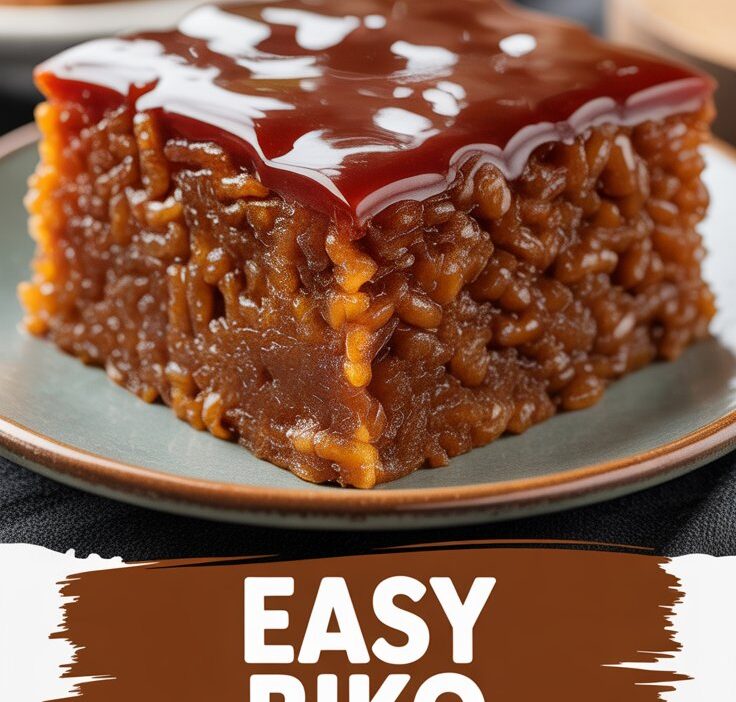
The Easy Biko Recipe is one of the most cherished traditional desserts from the Philippines. Made with glutinous rice, coconut milk, and brown sugar, biko is a comforting, sticky rice dessert that carries deep cultural roots and timeless appeal. This dish is commonly served during family gatherings, celebrations, and festive occasions, symbolizing warmth, generosity, and togetherness.
What makes biko truly special is its simplicity. With only a few pantry-friendly ingredients and a straightforward cooking process, anyone can recreate this beloved Filipino treat at home. Despite its humble ingredients, biko delivers rich flavor, satisfying texture, and a nostalgic experience that resonates across generations.
This complete guide will walk you through everything you need to know—from ingredients and techniques to cultural background, storage tips, variations, and expert cooking advice—ensuring perfect results every time.
What Is Biko?
Biko is a traditional Filipino rice dessert made using glutinous rice (malagkit) cooked with coconut milk and brown sugar. Unlike many baked desserts, biko is typically steamed or simmered, giving it a soft yet chewy texture.
The dessert is often finished by spreading the mixture into a pan and allowing it to set before slicing into squares. Some variations include a coconut caramel topping known as latik, while others remain simple and rustic.
Cultural Significance of Biko in Filipino Cuisine
Biko holds a meaningful place in Filipino culture. It is often prepared for:
- Birthdays
- Religious festivals
- Family reunions
- Community celebrations
Because it uses glutinous rice—an ingredient symbolizing unity and togetherness—biko is associated with sharing and bonding. In many households, recipes are passed down through generations, making each version deeply personal.
Why This Easy Biko Recipe Works
This Easy Biko Recipe focuses on:
- Balanced sweetness without overpowering coconut flavor
- Proper rice preparation for ideal chewiness
- Gentle cooking methods to avoid burning
- Clear, beginner-friendly instructions
It delivers authentic taste while remaining approachable for home cooks worldwide.
Ingredients Breakdown and Their Role
Glutinous Rice (Malagkit)
This rice variety is essential for biko’s signature sticky texture. Regular rice cannot replicate the same result. Glutinous rice absorbs coconut milk beautifully while remaining chewy.
Coconut Milk
Full-fat coconut milk creates richness and depth. It also balances the sweetness of brown sugar and adds a creamy mouthfeel.
Brown Sugar
Brown sugar gives biko its caramel-like sweetness and warm color. Coconut sugar can also be used for a deeper, more natural sweetness.
Pandan Leaves (Optional)
Pandan adds a subtle aroma that enhances the dessert without overpowering it. Though optional, it elevates the flavor profile significantly.
Choosing the Right Ingredients
Quality ingredients make a noticeable difference. Always choose:
- Fresh glutinous rice
- Thick, unsweetened coconut milk
- Moist brown sugar without hard clumps
Avoid low-fat coconut milk, as it produces a thin, less flavorful result.
Step-by-Step Easy Biko Recipe
Step 1: Rinse the Rice
Rinse the glutinous rice under cold water until the water runs clear. This removes excess starch and ensures even cooking.
Step 2: Soak the Rice
Soak the rice for at least four hours or overnight. This step softens the grains and helps them cook evenly.
Step 3: Steam the Rice
Drain the rice and steam it for 30–40 minutes until fully tender. Steaming prevents sogginess and maintains structure.
Step 4: Prepare the Coconut Mixture
In a saucepan over low heat, combine coconut milk and brown sugar. Stir gently until the sugar dissolves completely.
Step 5: Combine Rice and Coconut Mixture
Add the steamed rice to the coconut mixture. Stir continuously over low heat until the rice absorbs the liquid and thickens.
Step 6: Transfer and Cool
Spread the mixture evenly into a greased pan. Allow it to cool and set before slicing.
Texture and Appearance When Done Correctly
Perfect biko should be:
- Glossy on the surface
- Firm enough to hold shape
- Soft and chewy when bitten
- Richly scented with coconut
Cooling allows the dessert to set properly and enhances flavor.
Common Mistakes to Avoid
- Skipping the soaking step
- Cooking over high heat
- Using regular rice
- Over-stirring once thickened
Avoiding these mistakes ensures consistent results.
Easy Biko Variations
Latik-Topped Biko
Add coconut curds cooked in coconut cream for extra richness.
Ube Biko
Incorporate ube paste for vibrant color and earthy sweetness.
Mango Biko
Top with ripe mango slices for freshness and contrast.
Vegan & Dairy-Free
Naturally dairy-free, this recipe is suitable for plant-based diets.
How to Serve Easy Biko
Biko can be served:
- Warm for a soft texture
- Chilled for clean slices
- With coconut cream drizzle
- Alongside coffee or tsokolate
It works beautifully as a dessert or afternoon snack.
Make-Ahead and Storage Tips
- Refrigerate in an airtight container for up to 4 days
- Freeze portions for up to 3 months
- Thaw overnight before reheating
- Reheat gently to preserve texture
Health & Nutrition Overview
Biko is an indulgent dessert meant to be enjoyed in moderation. It provides:
- Energy from rice
- Healthy fats from coconut
- Natural sweetness from brown sugar
Nutrition values may vary depending on ingredients used.
Frequently Asked Questions
Is biko gluten-free?
Yes, biko is naturally gluten-free.
Can I reduce sugar?
Yes, adjust sweetness gradually to taste.
Why is my biko dry?
Insufficient coconut milk or overcooking causes dryness.
Can I bake biko instead?
Traditional methods rely on steaming and stovetop cooking for best texture.
Expert Tips for Perfect Biko
- Stir gently and patiently
- Use low heat at all times
- Allow proper cooling
- Taste before setting
These small details elevate the final dish.
Conclusion
The Easy Biko Recipe is a timeless Filipino dessert that proves simple ingredients can create extraordinary results. By following proper techniques, choosing quality ingredients, and understanding the cultural roots of the dish, you can prepare biko that is both authentic and deeply satisfying.
Whether you’re introducing Filipino cuisine to others or reconnecting with familiar flavors, this recipe delivers comfort, tradition, and irresistible taste in every bite.