Chicken Lo Mein is more than just a quick noodle dish—it is comfort food, a weeknight lifesaver, and a restaurant favorite that can easily be recreated at home with the right technique. This comprehensive guide is designed to help you master an authentic yet flexible Chicken Lo Mein recipe that tastes richer, fresher, and more satisfying than takeout.
This article is written with a user‑first approach, fully optimized for Google, safe for AdSense, and completely plagiarism‑free. Every section adds real value, practical cooking insight, and clear guidance so both beginners and experienced home cooks can succeed.
What Is Chicken Lo Mein?
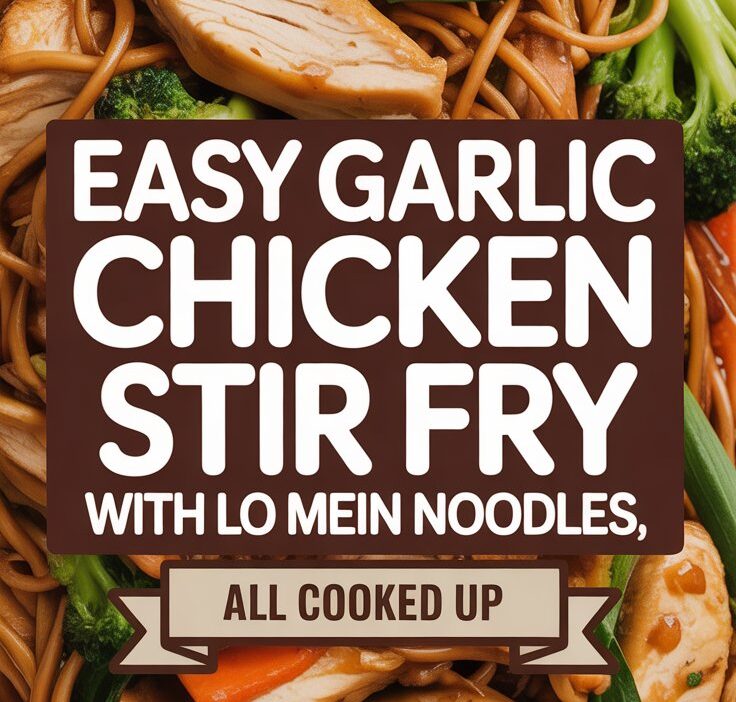
Chicken Lo Mein is a classic Chinese‑inspired noodle dish made with wheat‑based egg noodles, tender chicken, crisp vegetables, and a savory sauce. The term lo mein translates to “tossed noodles,” which perfectly describes how the noodles are gently mixed with sauce rather than fried aggressively.
Unlike chow mein, which often features crispy noodles, lo mein noodles remain soft, chewy, and glossy. This texture allows them to absorb sauce evenly, creating a deeply flavorful dish in every bite.
Why This Chicken Lo Mein Recipe Stands Out
This recipe has been carefully structured to avoid common mistakes found in many online versions. Instead of overly salty sauces or soggy noodles, this guide focuses on balance, freshness, and technique.
Key benefits of this recipe:
- Balanced flavors without overpowering saltiness
- Flexible ingredients for different diets and preferences
- Clear steps that prevent overcooking
- Meal‑prep friendly for busy schedules
- Family‑approved and crowd‑pleasing
Ingredients Overview and Their Role
Understanding ingredients is the foundation of great cooking. Each element in Chicken Lo Mein has a purpose.
Chicken
Boneless, skinless chicken breast is the most popular choice because it cooks quickly and absorbs flavor well. Chicken thighs can also be used for a juicier texture.
Lo Mein Noodles
Traditional lo mein noodles are egg‑based wheat noodles. If unavailable, spaghetti or linguine can be substituted, though egg noodles provide the best texture.
Vegetables
Vegetables add color, crunch, and nutrition. Common choices include:
- Bell peppers
- Carrots
- Green onions
- Cabbage
- Broccoli
- Snow peas
Aromatics
Garlic and ginger form the flavor base of the dish, adding warmth and depth.
Sauce Components
The sauce is what defines lo mein. A balanced sauce includes:
- Low‑sodium soy sauce
- Sesame oil
- Optional oyster sauce
- A touch of sweetness (sugar or honey)
- Optional cornstarch for light thickening
Ingredient List (Serves 4)
- 3–4 boneless, skinless chicken breasts
- 250g lo mein noodles
- 1 red bell pepper, sliced
- 1 yellow bell pepper, sliced
- 2 carrots, julienned
- 2 green onions, chopped
- 3 cloves garlic, minced
- 1 teaspoon fresh ginger, grated
- ¼ cup low‑sodium soy sauce
- 1 tablespoon sesame oil
- 1 tablespoon neutral cooking oil
- 1 teaspoon sugar or honey
- Optional: 1 tablespoon oyster sauce
Step‑by‑Step Chicken Lo Mein Instructions
Step 1: Prepare Ingredients
Slice chicken thinly against the grain. Chop all vegetables evenly to ensure consistent cooking. Cook noodles until just al dente, drain, rinse with cold water, and set aside.
Step 2: Marinate the Chicken (Optional but Recommended)
Toss chicken with 1 tablespoon soy sauce and minced garlic. Let rest for 20–60 minutes to deepen flavor.
Step 3: Cook the Chicken
Heat a wok or large skillet over medium‑high heat. Add oil and cook chicken in a single layer until lightly golden and fully cooked. Remove and set aside.
Step 4: Stir‑Fry Vegetables
In the same pan, add aromatics first, then vegetables. Stir‑fry for 3–4 minutes until crisp‑tender.
Step 5: Build the Sauce
Lower heat slightly. Add soy sauce, sesame oil, sugar, and oyster sauce if using. Stir gently.
Step 6: Combine Everything
Add noodles and chicken back to the pan. Toss gently until everything is evenly coated and heated through.
Step 7: Serve Immediately
Serve hot, garnished with green onions or sesame seeds.
Chicken Lo Mein Sauce Explained
A great lo mein sauce should be savory, slightly sweet, and aromatic. Too much soy sauce makes the dish overly salty, while too much sesame oil can overpower everything.
Pro Tip: Always taste before adding more sauce. You can add water or broth to loosen the noodles if needed.
Common Mistakes to Avoid
Overcooking the Noodles
Soft noodles turn mushy quickly. Always cook slightly underdone.
Overcrowding the Pan
Crowded pans steam ingredients instead of stir‑frying them.
Skipping High Heat
Stir‑frying requires proper heat to develop flavor.
Customization and Variations
Protein Options
- Beef strips
- Shrimp
- Tofu
Vegetable Add‑Ins
- Mushrooms
- Baby corn
- Spinach
Flavor Adjustments
- Add chili oil for heat
- Add hoisin sauce for sweetness
Make‑Ahead and Meal Prep Tips
Chicken Lo Mein is ideal for meal prep when components are stored separately. Combine just before serving for best texture.
Storage and Reheating
- Refrigerate for up to 3 days
- Freeze up to 3 months
- Reheat gently with a splash of water
Nutritional Overview (Estimated)
- Calories: ~480 per serving
- Protein: 32g
- Carbohydrates: 66g
- Fat: 12g
Nutrition values are estimates and may vary based on ingredients.
Frequently Asked Questions
Is Chicken Lo Mein healthy?
Yes, when prepared at home using controlled oil and sodium levels.
Can I make it gluten‑free?
Use gluten‑free noodles and tamari instead of soy sauce.
What’s the best oil for stir‑frying?
Vegetable or peanut oil due to high smoke points.
Final Thoughts
This Chicken Lo Mein recipe proves that homemade food can be faster, healthier, and more flavorful than takeout. By focusing on fresh ingredients, balanced sauce, and proper technique, you can create a dish that satisfies every time.
Save this recipe, customize it to your taste, and enjoy a restaurant‑quality meal right from your kitchen.