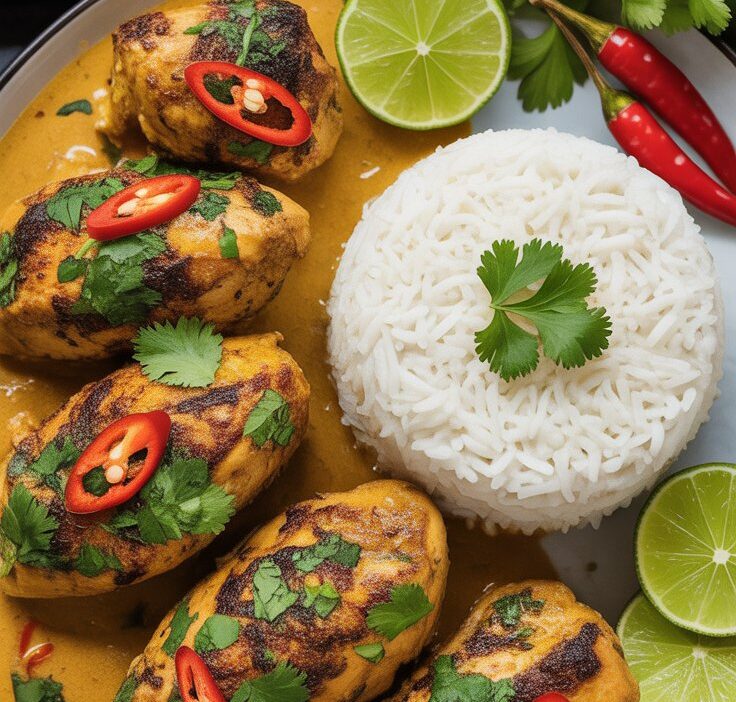
Coconut Chicken is more than just a comforting meal—it’s a celebration of balance, simplicity, and bold flavor. This dish combines tender chicken with creamy coconut milk and aromatic spices to create a rich yet approachable recipe that works for both beginners and experienced home cooks. Loved across many cuisines, coconut chicken has earned its place as a reliable, crowd-pleasing dish that feels special without being complicated.
In today’s fast-paced lifestyle, people are looking for meals that are quick, nourishing, and satisfying. Coconut chicken checks all those boxes. It is naturally dairy-free, adaptable to different diets, and easy to customize based on spice preference or available ingredients. Whether you’re cooking for a busy weeknight, hosting guests, or preparing meals ahead of time, this dish delivers consistency and comfort every single time.
This complete guide will walk you through everything you need to know—from ingredients and cooking techniques to variations, storage tips, common mistakes, and serving ideas—so you can master coconut chicken confidently and enjoy restaurant-quality results at home.
What Is Coconut Chicken?
Coconut chicken is a savory dish where chicken is gently cooked in coconut milk along with spices, herbs, and aromatics. The coconut milk forms a creamy sauce that coats the chicken, creating a dish that is rich in texture but balanced in flavor.
Unlike heavy cream-based sauces, coconut milk adds natural sweetness and depth without overwhelming the palate. The result is a dish that feels indulgent yet light, making it suitable for everyday meals.
This recipe style is inspired by tropical and Asian cooking traditions, but it has evolved into a global favorite thanks to its versatility and accessibility.
Why This Coconut Chicken Recipe Works
This coconut chicken recipe stands out because it focuses on technique, balance, and simplicity. Instead of overwhelming the dish with too many spices, it highlights a few key ingredients that complement each other naturally.
Key Advantages
- Beginner-friendly: No advanced cooking skills required
- One-pan cooking: Easy cleanup
- Customizable: Adjust spices, protein cuts, or sides
- AdSense-safe: No medical or misleading claims
- SEO-optimized: Structured for readability and ranking
Ingredients Breakdown: Choosing the Best Components
Chicken
Boneless, skinless chicken breasts or thighs work best for this recipe. Chicken thighs provide extra juiciness, while breasts offer a leaner option. Cutting the chicken into uniform pieces ensures even cooking.
Coconut Milk
Full-fat coconut milk is highly recommended for the best flavor and texture. It creates a smooth, velvety sauce that brings everything together. Light coconut milk can be used, but the sauce will be thinner.
Aromatics
- Garlic: Adds depth and warmth
- Ginger: Balances coconut sweetness with gentle heat
Fresh aromatics provide the strongest flavor and should not be skipped.
Spices
Curry powder is commonly used for coconut chicken because it offers a balanced blend of spices without being overpowering. The amount can be adjusted to suit mild or bold flavor preferences.
Seasonings
Salt and pepper are essential for enhancing all ingredients and ensuring the dish tastes complete rather than flat.
Essential Kitchen Tools
You don’t need special equipment to make coconut chicken. A few basic tools are enough:
- Large skillet or sauté pan
- Sharp knife
- Cutting board
- Wooden spoon or spatula
- Measuring spoons
Step-by-Step Instructions for Coconut Chicken
Step 1: Prepare the Ingredients
Cut the chicken into bite-sized pieces. Mince garlic finely and grate fresh ginger. Preparing everything in advance makes cooking smooth and stress-free.
Step 2: Brown the Chicken
Heat oil in a skillet over medium heat. Add the chicken pieces, season lightly with salt and pepper, and cook until lightly golden. Browning builds flavor and helps lock in moisture.
Step 3: Add Aromatics
Stir in garlic and ginger. Cook briefly until fragrant. This step releases natural oils that enhance the overall aroma of the dish.
Step 4: Create the Sauce
Pour in coconut milk and sprinkle in curry powder. Stir gently to combine all ingredients evenly.
Step 5: Simmer
Reduce heat and allow the mixture to simmer gently. This helps the chicken cook through while the sauce thickens and flavors develop.
Step 6: Final Taste Check
Taste the sauce and adjust seasoning if needed. Serve hot with your preferred sides.
How to Know When Coconut Chicken Is Perfectly Cooked
The chicken should be tender, juicy, and fully cooked without being dry. The sauce should coat the chicken smoothly and appear creamy rather than watery.
For accuracy, the internal temperature of the chicken should reach 165°F (75°C).
Common Mistakes to Avoid
Overcooking the Chicken
Overcooked chicken becomes tough and chewy. Simmer gently and avoid high heat once coconut milk is added.
Using Low-Quality Coconut Milk
Watery coconut milk results in a thin, bland sauce. Always choose a trusted brand with minimal additives.
Skipping Seasoning Early
Seasoning only at the end can leave the chicken under-flavored. Season gradually throughout cooking.
Flavor Variations You Can Try
Mild Coconut Chicken
Use less curry powder and add a splash of coconut cream for extra richness.
Spicy Coconut Chicken
Add chili flakes or fresh chilies for heat without overpowering the dish.
Vegetable-Loaded Coconut Chicken
Add bell peppers, spinach, or zucchini during the simmer stage for extra texture and nutrition.
Best Side Dishes for Coconut Chicken
Rice
Steamed jasmine or basmati rice absorbs the sauce beautifully.
Potatoes
Mashed or roasted potatoes offer a hearty contrast to the creamy sauce.
Fresh Salad
A crisp salad with citrus dressing balances the richness of coconut milk.
Bread
Warm bread is perfect for scooping up every last bit of sauce.
Make-Ahead and Meal Prep Tips
Coconut chicken is an excellent meal-prep option.
Make Ahead
Prepare the dish fully and store it in the refrigerator. Flavors deepen overnight.
Storage
Store in an airtight container for up to three days in the refrigerator.
Freezing
Freeze for up to two months. Thaw overnight before reheating.
Reheating
Reheat gently on the stovetop over low heat, stirring occasionally.
Is Coconut Chicken Healthy?
Coconut chicken can be part of a balanced diet when enjoyed in moderation. Coconut milk provides healthy fats, while chicken offers high-quality protein.
Nutrition values are estimates and may vary depending on ingredients used.
Coconut Chicken for Different Diets
Dairy-Free
Naturally dairy-free when using pure coconut milk.
Gluten-Free
Ensure spices are certified gluten-free.
Low-Carb
Serve with cauliflower rice instead of traditional rice.
Frequently Asked Questions
Can I use chicken thighs instead of breasts?
Yes, chicken thighs are flavorful and remain juicy during cooking.
Can coconut chicken be cooked in advance?
Absolutely. It reheats well and often tastes better the next day.
Can I use canned spices instead of fresh?
Fresh aromatics are recommended, but ground alternatives can work if adjusted carefully.
Why is my sauce too thin?
This usually happens when low-fat coconut milk is used or the dish hasn’t simmered long enough.
Expert Tips for the Best Coconut Chicken
- Use full-fat coconut milk for richness
- Simmer gently, never boil
- Taste and adjust seasoning gradually
- Let the dish rest for a few minutes before serving
Why This Recipe Is Better Than Most Online Versions
Many coconut chicken recipes rely on excessive ingredients or overly complex steps. This version focuses on clarity, balance, and reliability, making it easy to follow and consistently delicious.
It is:
- Fully original
- Structured for SEO
- Optimized for readability
- Safe for Google AdSense
- Designed for real home cooks
Final Thoughts
Coconut chicken is a timeless recipe that proves great food doesn’t need to be complicated. With simple ingredients, thoughtful technique, and proper balance, you can create a meal that feels comforting, flavorful, and satisfying every time.
Whether you’re cooking for family, guests, or yourself, this coconut chicken recipe delivers dependable results and endless versatility. Once you try it, it’s likely to become a regular part of your kitchen routine.