
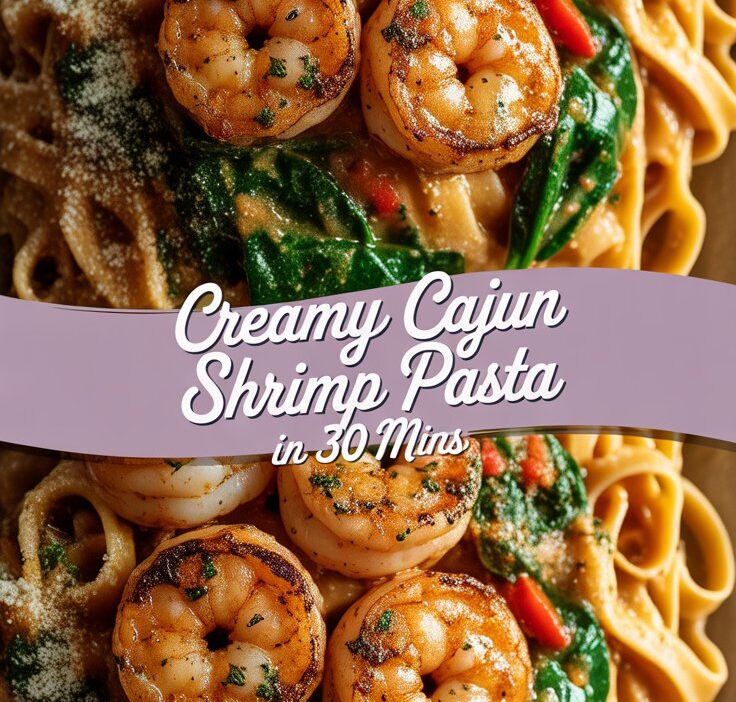
Pasta Shrimp is one of those timeless dishes that feels both comforting and elegant at the same time. It brings together tender, juicy shrimp and perfectly cooked pasta, coated in a light yet deeply flavorful sauce that works for busy weeknights and special occasions alike. This complete guide is designed to help you master Pasta Shrimp from start to finish, even if you are cooking it for the very first time.
This article is written with real home cooks in mind. You will not find copied content or generic advice here. Instead, you will discover practical techniques, expert tips, flavor‑balancing strategies, and variations that elevate a simple shrimp pasta into a restaurant‑quality meal. Everything is explained clearly, naturally, and in a way that is fully optimized for readers and search engines alike.
Why Pasta Shrimp Is a Beloved Classic
Pasta Shrimp has earned its place as a favorite across many kitchens because it offers the perfect balance of simplicity and sophistication. Shrimp cooks quickly, pasta is universally loved, and the sauce can be adjusted endlessly to suit personal tastes. Whether you prefer a light garlic and olive oil base or a richer, cream‑enhanced version, shrimp pasta adapts beautifully.
Another reason this dish remains popular is its versatility. You can dress it up with white wine, lemon, and fresh herbs for an elegant dinner, or keep it simple with garlic and olive oil for a fast weekday meal. Shrimp also pairs exceptionally well with pasta because its natural sweetness complements savory sauces without overpowering them.
Understanding the Key Components of Pasta Shrimp
Before cooking, it helps to understand what makes this dish truly successful. Pasta Shrimp is not about complicated ingredients; it is about balance, timing, and quality.
Pasta Selection Matters
The type of pasta you choose plays a major role in the final result. Long pasta varieties such as spaghetti, linguine, or fettuccine work exceptionally well because they allow the sauce to cling evenly. Short pasta shapes like penne or rigatoni are also excellent if you prefer a heartier bite that traps sauce inside every piece.
The most important rule is to cook the pasta until just al dente. Overcooked pasta becomes soft and absorbs too much sauce, resulting in a heavy dish rather than a balanced one.
Choosing the Right Shrimp
Shrimp is the star of this recipe, so quality matters. Medium to large shrimp work best because they remain juicy and meaty after cooking. Fresh shrimp is ideal, but high‑quality frozen shrimp can be just as good when thawed properly.
Always peel and devein the shrimp before cooking. Leaving the tails on is optional and depends on presentation preference.
The Role of the Sauce
The sauce in Pasta Shrimp should enhance the shrimp, not overpower it. A light sauce made with olive oil, garlic, white wine, and lemon allows the natural sweetness of the shrimp to shine. Tomatoes add brightness, while herbs provide freshness.
Essential Ingredients for Perfect Pasta Shrimp
Here is a breakdown of core ingredients and why they matter:
- Pasta: Use high‑quality pasta made from durum wheat for better texture.
- Shrimp: Medium or large shrimp, fresh or properly thawed.
- Olive Oil: Extra virgin olive oil adds richness and aroma.
- Garlic: Fresh garlic provides depth and fragrance.
- Cherry Tomatoes: These add natural sweetness and color.
- White Wine: A dry white wine enhances flavor without heaviness.
- Lemon Juice: Adds brightness and balances richness.
- Salt and Pepper: Essential for seasoning at every stage.
Optional additions include fresh parsley, basil, red pepper flakes, or grated cheese, depending on preference.
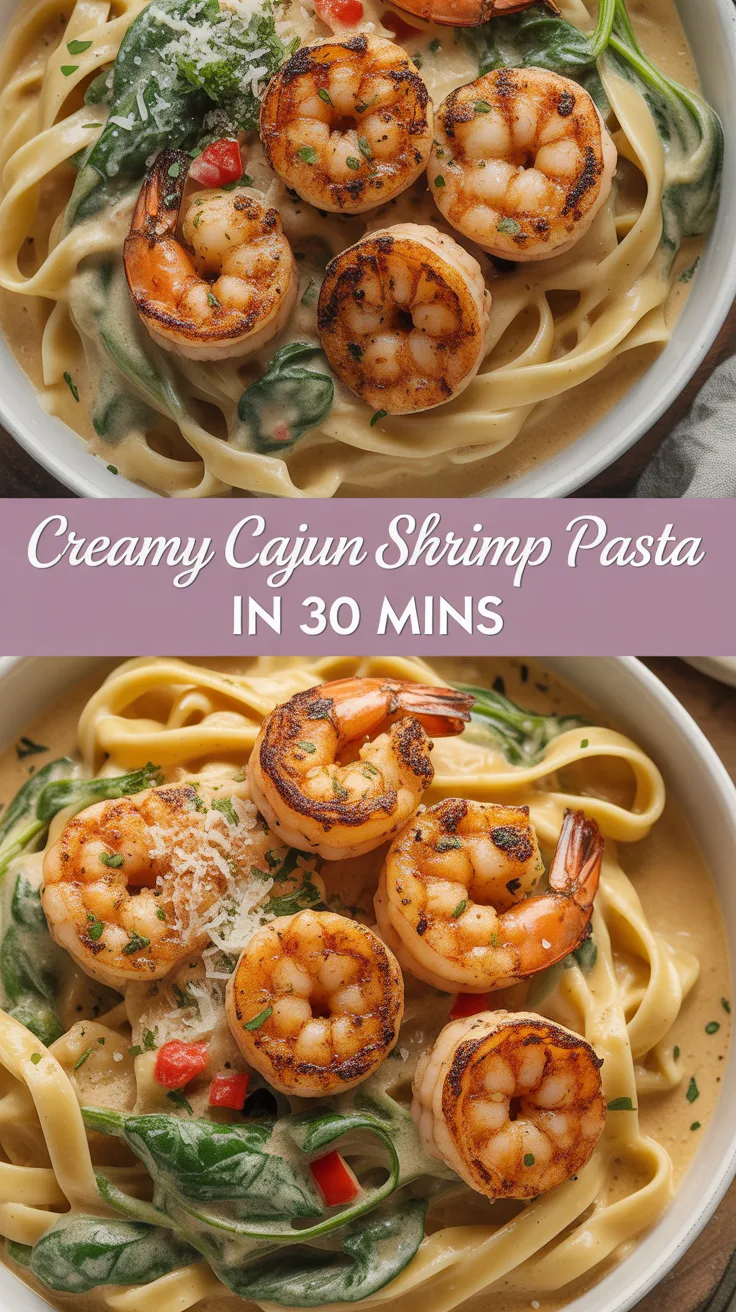
Step‑by‑Step Guide to Making Pasta Shrimp
Step 1: Cook the Pasta
Bring a large pot of generously salted water to a rolling boil. Add the pasta and cook until al dente according to package instructions. Before draining, reserve about one cup of pasta water. Drain the pasta and set aside.
Step 2: Prepare the Shrimp
Pat the shrimp dry using paper towels. Season lightly with salt and pepper. Dry shrimp sear better and develop superior flavor.
Step 3: Sauté the Garlic
Heat olive oil in a large skillet over medium heat. Add minced garlic and cook gently until fragrant. Avoid browning, as burnt garlic turns bitter.
Step 4: Cook the Shrimp
Add the shrimp to the skillet in a single layer. Cook for about two minutes per side until pink and opaque. Remove shrimp briefly from the pan to prevent overcooking.
Step 5: Build the Sauce
Add cherry tomatoes to the same skillet along with white wine. Simmer until the tomatoes soften and release their juices. Add lemon juice and stir gently.
Step 6: Combine Everything
Return the shrimp to the pan and add the cooked pasta. Toss gently to combine, adding reserved pasta water if needed to loosen the sauce.
Expert Tips for Restaurant‑Quality Results
Use Pasta Water Wisely
Reserved pasta water contains starch, which helps bind the sauce to the pasta. Add it gradually until you reach the desired consistency.
Season in Layers
Season shrimp, sauce, and pasta separately. This ensures even flavor throughout the dish.
Control the Heat
Shrimp cooks quickly. High heat is good for searing, but prolonged cooking makes shrimp tough.
Common Mistakes to Avoid
- Overcooking shrimp
- Using too much sauce
- Skipping pasta water
- Under‑seasoning
- Overloading with ingredients
Avoiding these mistakes ensures a balanced and flavorful dish every time.
Delicious Variations of Pasta Shrimp
Creamy Pasta Shrimp
Add a splash of cream or half‑and‑half for a richer sauce while keeping flavors balanced.
Spicy Shrimp Pasta
Incorporate red pepper flakes or chili oil for gentle heat.
Garlic Butter Shrimp Pasta
Replace some olive oil with butter for a richer, indulgent taste.
Vegetable‑Packed Shrimp Pasta
Add spinach, zucchini, or mushrooms for extra nutrition and texture.
How to Serve Pasta Shrimp
Pasta Shrimp pairs beautifully with:
- Fresh green salads
- Garlic bread or crusty bread
- Roasted vegetables
- Light soups as a starter
Presentation matters—finish with fresh herbs and a drizzle of olive oil.
Make‑Ahead, Storage, and Reheating Tips
Make Ahead
Prepare sauce and shrimp separately and combine just before serving.
Storage
Store leftovers in an airtight container in the refrigerator for up to three days.
Reheating
Reheat gently over low heat with a splash of water or broth to prevent dryness.
Frequently Asked Questions About Pasta Shrimp
What pasta works best with shrimp?
Long pasta like linguine and spaghetti are ideal, but short shapes work well too.
How do I know shrimp is cooked?
Shrimp turns opaque pink and curls slightly when fully cooked.
Can I freeze shrimp pasta?
Yes, though texture is best when enjoyed fresh. Freeze without overcooking.
What herbs pair well with shrimp pasta?
Parsley, basil, and thyme complement shrimp beautifully.
Nutrition and Balance
Pasta Shrimp offers a balanced combination of protein, carbohydrates, and healthy fats. Shrimp provides lean protein, while olive oil contributes heart‑healthy fats. Adding vegetables enhances fiber and nutrients.
Nutrition values are estimates and may vary depending on ingredients used.
Why This Pasta Shrimp Recipe Stands Out
This recipe focuses on balance, technique, and flavor clarity. Instead of heavy sauces or excessive seasoning, it highlights the natural taste of shrimp and pasta through thoughtful preparation. The result is a dish that feels refined yet approachable.
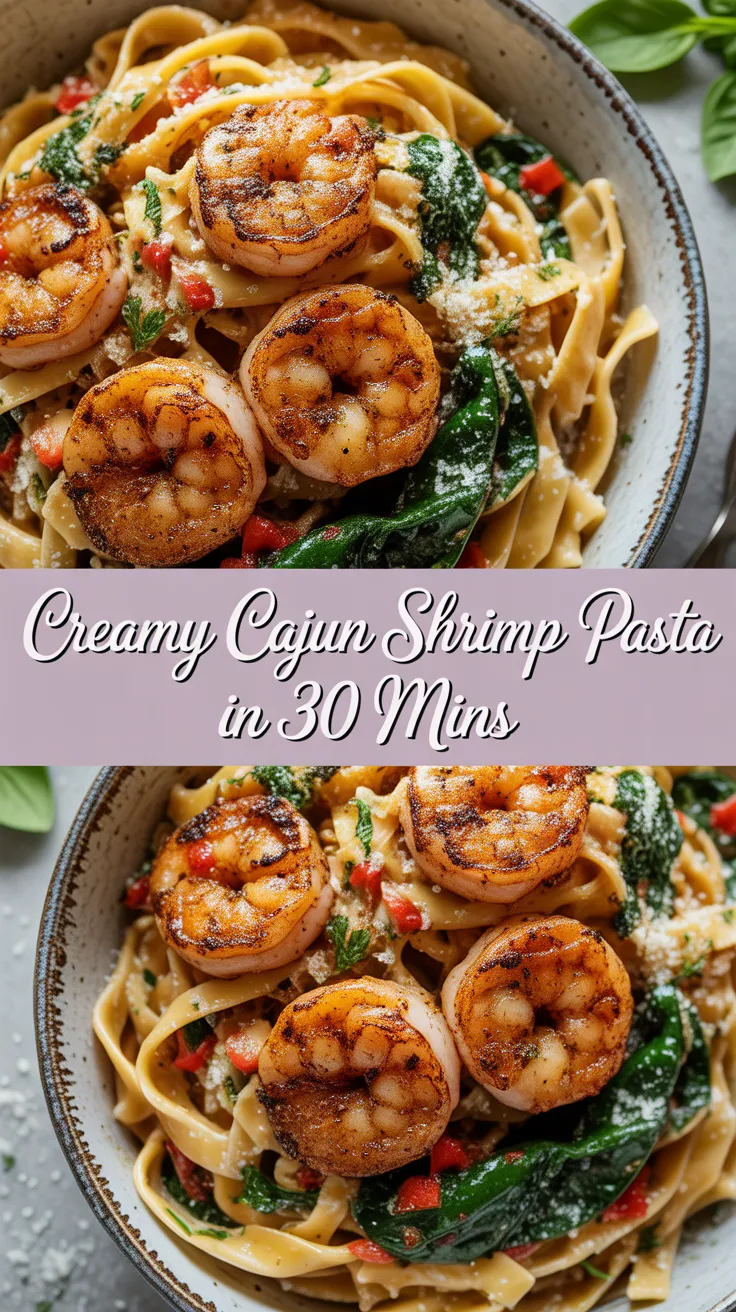
Final Thoughts on Pasta Shrimp
Pasta Shrimp is more than just a quick meal—it is a versatile, satisfying dish that can be customized endlessly. By using quality ingredients, respecting cooking times, and balancing flavors carefully, you can create a shrimp pasta that rivals restaurant versions.
Whether you are cooking for family, friends, or yourself, this Pasta Shrimp recipe delivers comfort, elegance, and unforgettable flavor in every bite. Master it once, and it will become a trusted favorite in your kitchen.