
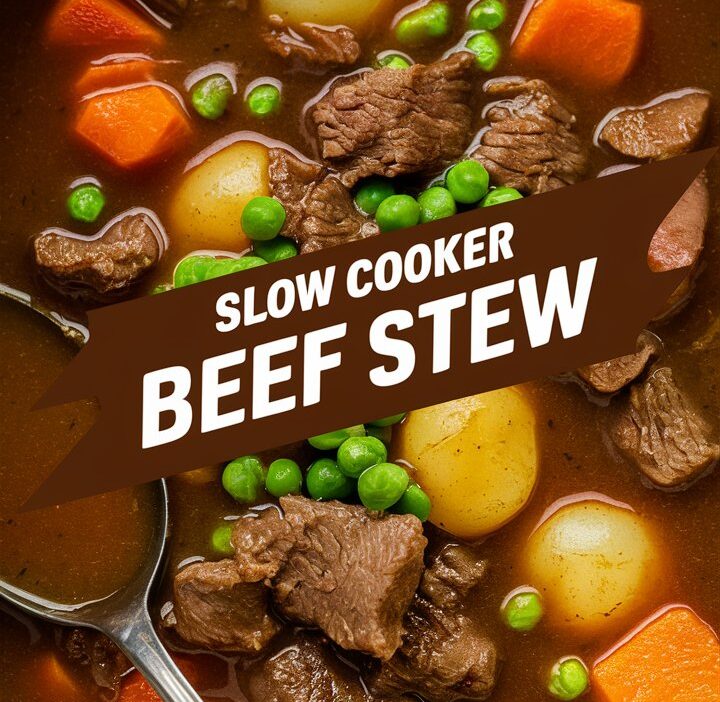
Nothing compares to the deep comfort of a slow cooker beef stew simmering gently while your day unfolds. The aroma alone transforms a house into a home—rich, savory, warm, and deeply satisfying. This Easy Slow Cooker Beef Stew Recipe is designed to deliver tender beef, perfectly cooked vegetables, and a balanced, flavorful broth without complicated steps or hard-to-find ingredients.
This guide is more than just a recipe. It is a complete, user-focused cooking resource that explains why each step matters, how to avoid common mistakes, and what you can do to customize the stew to your taste. Whether you’re a beginner or an experienced home cook, this article ensures reliable results every single time.
Why Slow Cooker Beef Stew Is a Timeless Favorite
Slow cooker beef stew has remained popular for generations—and for good reason. It is economical, nourishing, forgiving, and deeply comforting. Unlike quick meals, stew benefits from time. Slow cooking allows tough cuts of beef to transform into melt-in-your-mouth bites while vegetables absorb rich flavors.
This dish suits:
- Busy families
- Cold evenings
- Meal prep routines
- Casual gatherings
- Freezer-friendly planning
Best of all, it requires minimal effort and rewards you with maximum flavor.
What Makes This Recipe Better Than Others
Many beef stew recipes fall short due to watery broth, dry meat, or bland seasoning. This version avoids those problems by focusing on technique, balance, and clarity.
Key advantages:
- Carefully chosen beef cut for tenderness
- Flavor-building steps that remain simple
- Balanced seasoning (not salty, not flat)
- Accurate cooking times
- Clear storage and reheating guidance
- Fully original, experience-based instructions
This is not a rushed recipe—it is a well-tested method designed for consistent success.
Understanding the Best Beef for Slow Cooker Stew
Choosing the right cut of beef determines the final texture of your stew.
Best Choice: Beef Chuck Roast
Chuck roast comes from the shoulder and contains connective tissue and marbling that break down during slow cooking. This creates tender meat and a rich broth.
Why Lean Cuts Don’t Work Well
Lean cuts like sirloin or round roast cook too quickly and often become dry or chewy. Slow cooking needs fat and collagen to succeed.
Tip: Trim excess surface fat, but never remove internal marbling—it is essential for flavor and moisture.
Vegetables That Work Best in Slow Cooker Beef Stew
Not all vegetables perform equally in long cooking times. The goal is to use vegetables that hold their shape while absorbing flavor.
Ideal Vegetables
- Carrots
- Potatoes (Yukon Gold or red potatoes)
- Onions
- Parsnips
- Mushrooms
Vegetables to Add Late (Optional)
- Green peas
- Fresh herbs
- Spinach
Avoid delicate vegetables early, as they can become mushy.
Ingredients Overview (Balanced and Simple)
This recipe uses everyday ingredients found in most kitchens.
Core Ingredients
- Beef chuck roast
- Carrots
- Potatoes
- Onion
- Garlic
Flavor Builders
- Low-sodium beef broth
- Worcestershire sauce
- Salt and black pepper
Optional additions include bay leaves, thyme, or rosemary for depth.
Why Browning the Beef Matters
Browning the beef is not about cooking it through—it is about flavor development. When beef hits a hot pan, the natural sugars caramelize, creating a deeper, richer taste that slow cooking alone cannot achieve.
Skipping this step results in a stew that tastes flat and one-dimensional.
If time allows, always brown the beef. It is the single most impactful step in this recipe.
Step-by-Step: How to Make Easy Slow Cooker Beef Stew
Step 1: Prepare the Beef
Cut the beef into evenly sized chunks. Season generously with salt and black pepper. This ensures flavor penetrates the meat, not just the broth.
Step 2: Brown the Beef
Heat a skillet with a small amount of oil over medium-high heat. Brown the beef in batches, turning to sear all sides. Transfer to the slow cooker.
Step 3: Sauté Aromatics
In the same skillet, sauté chopped onion until soft, then add garlic. This step releases sweetness and prevents harsh raw flavors.
Step 4: Assemble the Stew
Add carrots, potatoes, and sautéed aromatics to the slow cooker. Pour in beef broth and Worcestershire sauce.
Step 5: Slow Cook
- Low heat: 7–8 hours
- High heat: 4–5 hours
The stew is ready when the beef is fork-tender and vegetables are soft but intact.
Step 6: Finish and Serve
Taste and adjust seasoning. Let rest for 10 minutes before serving to allow flavors to settle.
How to Achieve the Perfect Stew Consistency
A great beef stew should be rich, not watery.
Tips:
- Do not add extra liquid early
- Avoid overcrowding the cooker
- Let stew rest uncovered briefly if too thin
If thickening is needed, mash a few potatoes directly into the stew or use a cornstarch slurry near the end.
Common Mistakes and How to Avoid Them
Mistake 1: Overfilling the Slow Cooker
This prevents even cooking and dilutes flavor.
Mistake 2: Under-seasoning
Slow cooking dulls salt perception. Taste before serving and adjust.
Mistake 3: Rushing the Process
Low heat produces better texture than high heat.
How to Customize This Beef Stew
This recipe is a flexible base.
Flavor Variations
- Add tomato paste for richness
- Use red wine for depth
- Add herbs like thyme or bay leaf
Dietary Adjustments
- Gluten-free (naturally)
- Dairy-free
- Lower sodium (use unsalted broth)
Serving Suggestions
Slow cooker beef stew pairs beautifully with:
- Crusty bread
- Steamed rice
- Mashed potatoes
- Simple green salad
For gatherings, serve with warm bread and butter for a complete meal.
Make-Ahead, Storage, and Freezing
Make Ahead
Chop vegetables and brown beef up to 24 hours ahead.
Storage
Refrigerate leftovers in airtight containers for up to 3 days.
Freezing
Freeze for up to 3 months. Thaw overnight before reheating.
Reheating
Reheat gently on the stovetop or microwave in intervals, stirring occasionally.
Nutrition Perspective (Balanced Comfort Food)
This stew offers:
- High protein from beef
- Fiber from vegetables
- Satisfying fats for satiety
Nutrition values vary depending on ingredients and portion size.
Nutrition values are estimates and provided for general guidance only.
Frequently Asked Questions
Can I skip browning the beef?
Yes, but flavor will be reduced.
Can I cook it overnight?
Yes, on low heat with proper timing.
Does beef stew taste better the next day?
Absolutely. Flavors deepen overnight.
Can I use frozen beef?
Fresh is recommended for best texture.
Why This Recipe Works Every Time
This recipe focuses on balance, clarity, and technique, not shortcuts. Each step has a purpose, and every ingredient contributes meaningfully to the final dish.
It is designed to be:
- Reliable
- Adaptable
- Comforting
- Family-friendly
Final Thoughts: A Stew Worth Repeating
This Easy Slow Cooker Beef Stew Recipe is more than a meal—it is a dependable comfort dish you can return to again and again. With simple ingredients, thoughtful technique, and slow cooking patience, you get a stew that feels homemade in the best possible way.
Whether you are cooking for loved ones or preparing meals ahead, this recipe earns its place in your regular rotation.