
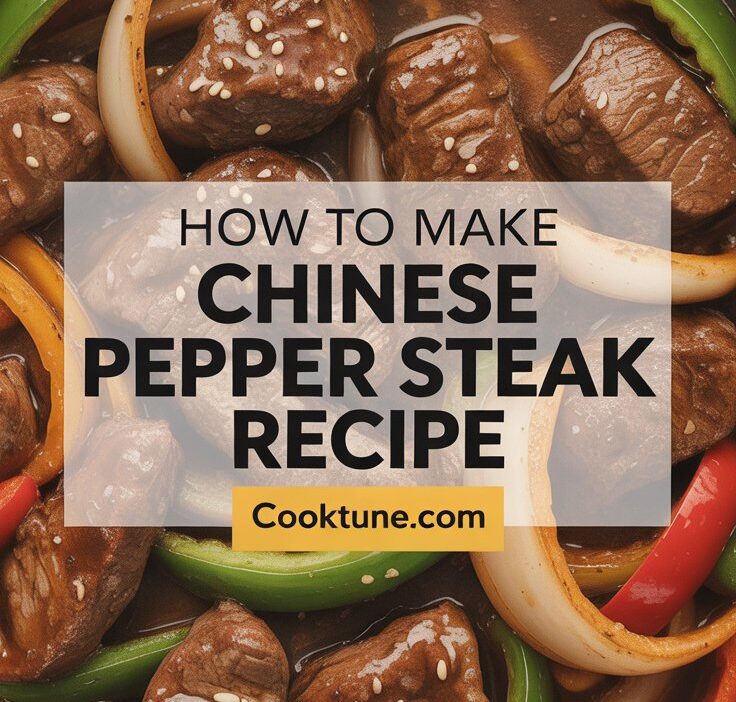
Chinese Beef and Onion Stir Fry is one of those timeless dishes that perfectly balances simplicity, speed, and deep flavor. It’s the kind of recipe that proves you don’t need complicated techniques or rare ingredients to create something truly satisfying. With tender slices of beef, naturally sweet onions, and a glossy savory sauce, this dish delivers restaurant-style results right from your own kitchen.
What makes this recipe especially appealing is its versatility. Whether you’re cooking a quick family dinner, preparing a comforting meal after a long day, or looking for an impressive yet effortless dish for guests, this beef and onion stir fry fits every occasion. It’s hearty, flavorful, and adaptable to a wide range of preferences without losing its authentic character.
Unlike many takeout versions, this homemade stir fry allows you to control the quality of ingredients, salt level, and cooking technique, resulting in a cleaner taste and better texture. When prepared correctly, the beef remains tender, the onions slightly crisp yet sweet, and the sauce coats everything beautifully without being heavy.
This guide will walk you through everything you need to know—from choosing the right cut of beef to mastering high-heat cooking—so you can confidently prepare a dish that tastes better than your favorite takeout.
Why Chinese Beef and Onion Stir Fry Is So Popular
The popularity of beef and onion stir fry lies in its perfect flavor balance. Chinese cooking emphasizes harmony, and this dish reflects that principle beautifully:
- Savory depth from soy-based sauces
- Natural sweetness from caramelized onions
- Rich umami from oyster sauce
- Tender texture from properly sliced and marinated beef
Another reason for its global appeal is accessibility. The ingredients are easy to find, the cooking process is fast, and the results are consistently delicious. It’s also easy to customize, making it suitable for different diets and tastes without sacrificing its identity.
Understanding the Flavor Profile
A great Chinese Beef and Onion Stir Fry isn’t just salty—it’s layered.
- Umami: Provided by soy sauce and oyster sauce
- Sweetness: Comes naturally from onions, not sugar
- Aromatic warmth: Garlic enhances the base flavor
- Silky texture: Achieved with cornstarch and proper heat
The key is restraint. Each element supports the others rather than overpowering them.
Choosing the Best Beef for Stir Fry
Selecting the right cut of beef is crucial. Stir frying uses high heat and quick cooking, so tender cuts are essential.
Best Cuts
- Flank steak – Excellent texture when sliced thin
- Sirloin – Lean, tender, and flavorful
- Skirt steak – Rich flavor, best sliced carefully
Cuts to Avoid
- Chuck
- Brisket
- Stewing beef
These tougher cuts require slow cooking and won’t perform well in a stir fry.
Slicing Technique
Always slice against the grain. This shortens muscle fibers and ensures tenderness, even with lean cuts.
The Importance of Onions in This Dish
Onions are more than a supporting ingredient—they’re a star component.
- They provide natural sweetness
- Add texture contrast
- Balance the savory sauce
Yellow or white onions are ideal because they soften beautifully without losing structure. When cooked correctly, they remain slightly crisp while developing gentle caramel notes.
Essential Ingredients Breakdown
Main Ingredients
- Thinly sliced beef (sirloin or flank)
- Onions
- Bell peppers (optional but recommended)
- Garlic
- Neutral oil with high smoke point
Sauce Components
- Low-sodium soy sauce
- Oyster sauce
- Cornstarch
- Water
Each ingredient serves a purpose. Removing or substituting carelessly can affect the final texture or flavor.
Why Cornstarch Matters
Cornstarch is a defining element in Chinese stir fries. It performs two critical roles:
- Tenderizes beef during marination
- Creates a glossy sauce that clings to ingredients
Skipping cornstarch often results in dry beef and watery sauce.
Step-by-Step Cooking Method
Step 1: Preparation
Slice all ingredients evenly. Stir frying is fast, so everything must be ready before cooking begins.
Step 2: Marination
Marinate beef with soy sauce, oyster sauce, garlic, and cornstarch. This enhances flavor and ensures tenderness.
Step 3: Heat Control
Use a heavy skillet or wok. Heat it until very hot before adding oil.
Step 4: Searing the Beef
Add beef in a single layer. Let it sear without stirring to develop color and flavor.
Step 5: Adding Vegetables
Once beef is nearly cooked, add onions and bell peppers. Stir quickly to prevent burning.
Step 6: Final Sauce Coating
Add remaining marinade and cook briefly until sauce thickens and coats everything evenly.
Common Mistakes to Avoid
Overcrowding the Pan
Too much food lowers temperature and causes steaming instead of searing.
Overcooking Beef
Beef continues cooking even after removal. Cook just until done.
Using Low Heat
High heat is essential for proper texture and flavor development.
Serving Suggestions
Chinese Beef and Onion Stir Fry pairs beautifully with:
- Steamed white or jasmine rice
- Fried rice
- Egg noodles
- Light vegetable sides
For a balanced meal, add a fresh cucumber salad or lightly steamed greens.
Make-Ahead and Storage Tips
Make Ahead
- Slice beef and vegetables up to 24 hours in advance
- Store separately in airtight containers
Storage
- Refrigerate leftovers for up to 3 days
- Freeze for up to 2 months
Reheating
- Reheat in skillet for best texture
- Avoid over-microwaving to prevent dryness
Variations You Can Try
- Add ginger for warmth
- Include mushrooms for earthiness
- Use chicken or shrimp as protein alternatives
- Add chili flakes for gentle heat
These variations keep the recipe exciting while maintaining its core flavor.
Nutritional Perspective
This dish offers:
- High protein content
- Moderate carbohydrates
- Balanced fats
By cooking at home, you control sodium and oil levels, making it a healthier alternative to takeout.
Frequently Asked Questions
Is this dish authentic?
It is inspired by traditional Chinese stir-frying principles while remaining home-cook friendly.
Can I make it gluten-free?
Yes, by using gluten-free soy sauce and oyster sauce alternatives.
Why is my beef tough?
Likely sliced with the grain or overcooked.
Can I skip bell peppers?
Absolutely. They are optional.
Final Thoughts
Chinese Beef and Onion Stir Fry is a perfect example of how simple ingredients, when treated correctly, can create exceptional results. With the right technique, quality ingredients, and attention to detail, this dish becomes more than just a quick meal—it becomes a reliable favorite you’ll return to again and again.
By mastering this recipe, you gain a foundational stir-fry skill that can be applied to countless variations. It’s comforting, satisfying, and endlessly adaptable—everything a great home-cooked meal should be.