
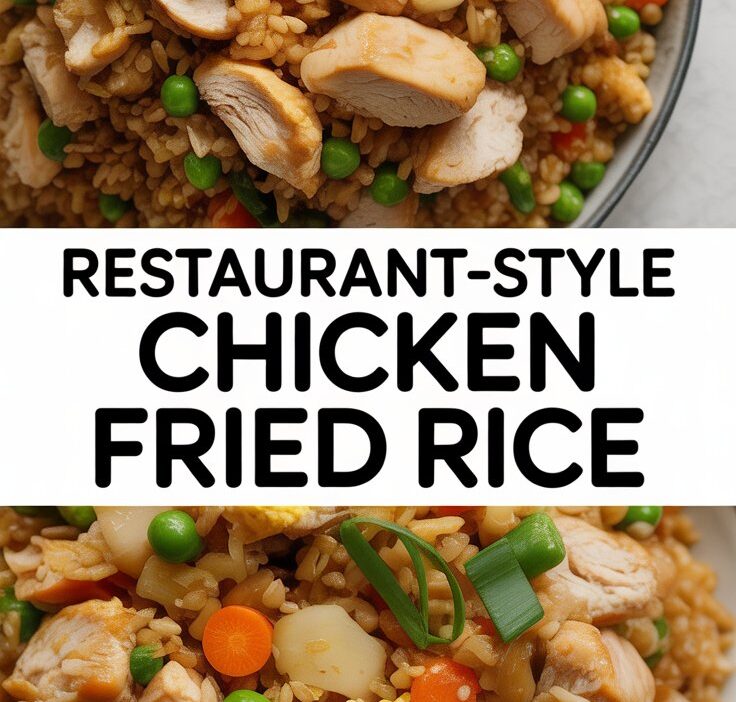
Chicken Fried Rice is one of the most loved comfort foods around the world. It is quick, satisfying, flavorful, and incredibly versatile. Whether you are cooking for a busy weeknight dinner, a casual family gathering, or simply using up leftovers, chicken fried rice never disappoints. This complete guide will walk you through everything you need to know—from choosing the right ingredients to mastering restaurant-style techniques—so you can create a perfect, fluffy, and flavorful dish every time.
What Makes Chicken Fried Rice So Popular?
Chicken fried rice is popular because it balances simplicity with flavor. It uses everyday ingredients, requires minimal equipment, and comes together quickly. At the same time, it delivers rich umami taste, satisfying textures, and endless customization options.
Another reason for its popularity is that it fits many lifestyles. You can make it mild or bold, light or hearty, vegetable-heavy or protein-packed. It works for lunch, dinner, and even meal prep. Few dishes are this flexible while still feeling special.
Understanding the Basics of Great Fried Rice
Before cooking, it is important to understand what separates average fried rice from excellent fried rice.
The Role of Rice
Rice is the foundation of this dish. Long-grain rice such as jasmine is ideal because it cooks fluffy and remains separate when fried. Freshly cooked rice contains too much moisture, which leads to soggy results. Cold, day-old rice is drier and fries beautifully, giving you that classic texture.
The Importance of High Heat
Fried rice is not meant to be cooked slowly. High heat allows ingredients to cook quickly, preventing steaming and encouraging light browning. This creates depth of flavor without making the rice mushy.
Balance of Flavors
A good chicken fried rice has a balance of savory, aromatic, and lightly toasted flavors. Soy sauce provides salt and umami, garlic adds aroma, sesame oil brings nuttiness, and chicken contributes richness. None of these should overpower the others.
Ingredients for Chicken Fried Rice
Using fresh, high-quality ingredients makes a noticeable difference. Below is a breakdown of core components and why they matter.
Chicken
Boneless, skinless chicken breasts are commonly used because they cook quickly and absorb flavors well. Chicken thighs are also an excellent option if you prefer a juicier texture.
Rice
Day-old jasmine rice is strongly recommended. If you only have fresh rice, spread it on a tray and chill it in the refrigerator for at least 30 minutes to reduce moisture.
Vegetables
Classic vegetables include carrots and peas, but you can also add corn, bell peppers, green beans, or scallions. Vegetables add color, texture, and nutritional value.
Aromatics
Garlic is essential. It builds the flavor base of the dish. Ginger can also be added for extra warmth and depth.
Sauce Components
Low-sodium soy sauce allows you to control salt levels. Sesame oil should be used sparingly and added toward the end to preserve its aroma.
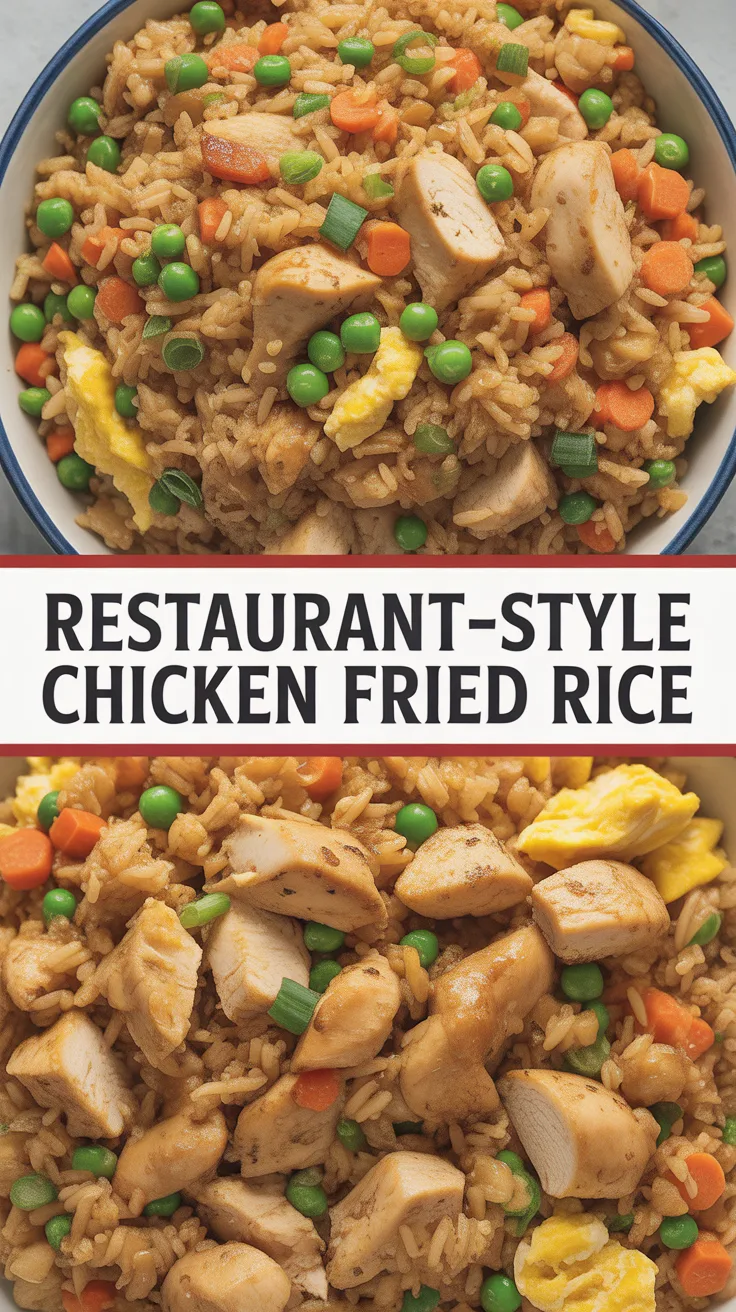
Step-by-Step Guide to Making Chicken Fried Rice
Step 1: Prepare Everything First
Fried rice cooks quickly, so preparation is key. Chop the chicken into even bite-sized pieces. Mince the garlic. Measure your sauce ingredients. Break up cold rice clumps with your hands.
Step 2: Cook the Chicken
Heat a large skillet or wok over medium-high heat. Add oil and cook the chicken until lightly golden and fully cooked. Remove it from the pan and set aside to avoid overcooking.
Step 3: Cook the Aromatics and Vegetables
In the same pan, add a bit more oil if needed. Add garlic and cook briefly until fragrant. Stir in vegetables and cook until tender but still vibrant.
Step 4: Fry the Rice
Add the rice to the pan. Spread it out and let it sit briefly before stirring. This helps remove excess moisture and creates light browning.
Step 5: Combine and Season
Return the chicken to the pan. Add soy sauce and stir well. Finish with a small drizzle of sesame oil. Taste and adjust seasoning if needed.
Step 6: Serve Immediately
Chicken fried rice is best served hot, straight from the pan.
Restaurant-Style Chicken Fried Rice Secrets
Use the Right Oil
Neutral oils with a high smoke point work best. Avoid butter or olive oil for high-heat frying.
Do Not Overcrowd the Pan
Too many ingredients at once lower the pan temperature, causing steaming instead of frying. Cook in batches if necessary.
Add Sauce Around the Pan
Pour soy sauce around the edges of the pan instead of directly on the rice. This helps it caramelize slightly before mixing.
Common Mistakes to Avoid
- Using freshly cooked rice
- Over-seasoning with soy sauce
- Cooking on low heat
- Skipping preparation
Avoiding these mistakes will instantly improve your results.
Variations of Chicken Fried Rice
Vegetable-Heavy Version
Increase the vegetable ratio for a lighter dish.
Spicy Chicken Fried Rice
Add chili paste or crushed red pepper for heat.
Egg Chicken Fried Rice
Scramble eggs separately and fold them in at the end for extra richness.
How to Serve Chicken Fried Rice
Chicken fried rice can be served on its own or paired with light sides such as salads or soups. Garnish with green onions or sesame seeds for a polished look.
Make-Ahead, Storage, and Reheating
Make Ahead
Prep ingredients in advance to save time.
Storage
Store leftovers in an airtight container in the refrigerator for up to four days.
Reheating
Reheat in a skillet for best texture or microwave with a splash of water.
Nutritional Overview
Chicken fried rice provides a balanced mix of protein, carbohydrates, and fats. Portion control and ingredient choices allow it to fit into many diets.
Frequently Asked Questions
What rice is best for chicken fried rice?
Long-grain rice such as jasmine works best.
Can I use leftover chicken?
Yes, leftover chicken works very well and saves time.
Can I freeze chicken fried rice?
Yes, it freezes well for up to three months.
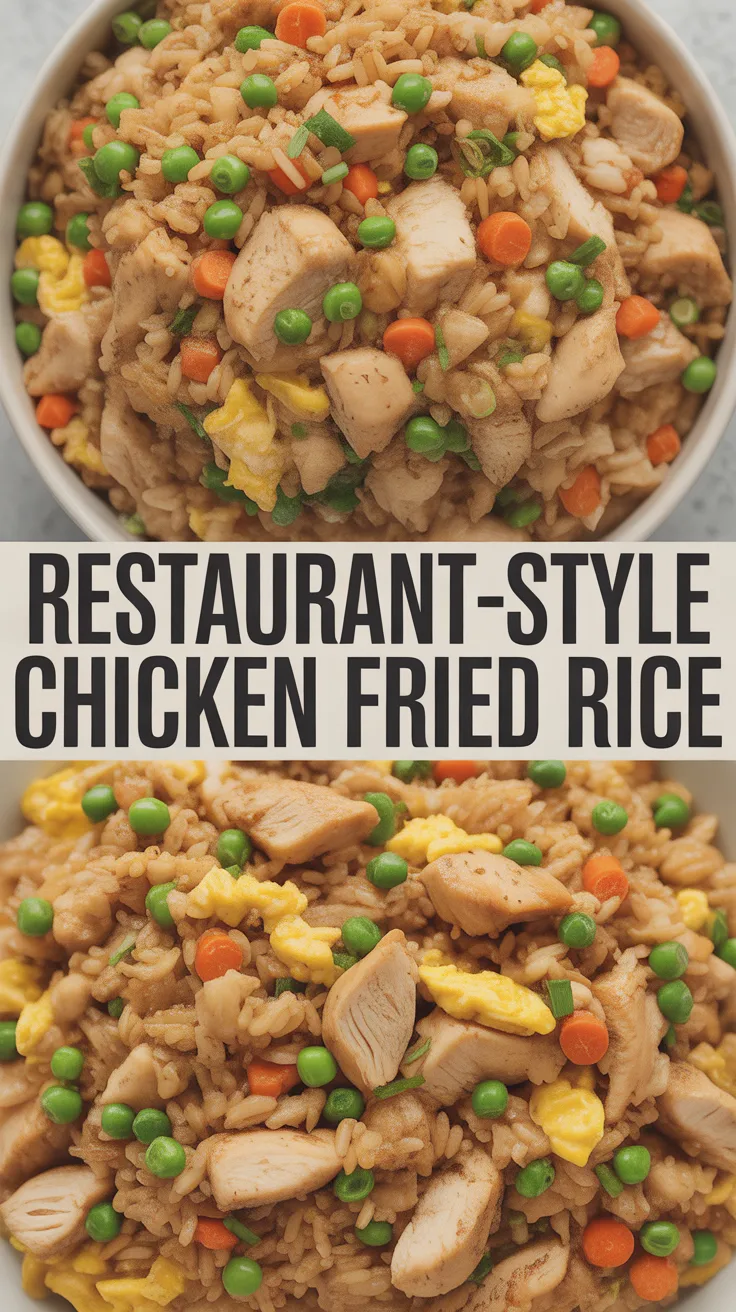
Final Thoughts on Chicken Fried Rice
Chicken fried rice is more than just a quick meal—it is a skill worth mastering. By understanding ingredients, technique, and balance, you can consistently create a dish that rivals restaurant quality while remaining simple and comforting. With practice and creativity, this classic recipe can become one of the most reliable and satisfying meals in your kitchen.