
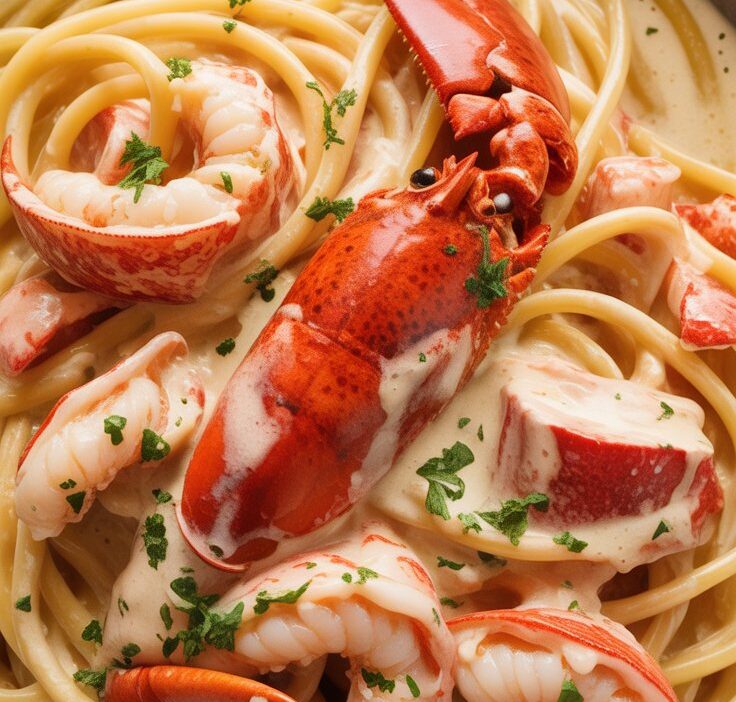
Creamy Tomato and Lobster Pasta is the kind of dish that instantly signals luxury, comfort, and confidence in the kitchen. It blends the natural sweetness of tender lobster meat with the gentle acidity of ripe tomatoes and the silky richness of cream, creating a perfectly balanced sauce that clings to every strand of pasta. This is not just another seafood pasta recipe—it is a complete culinary experience that feels indulgent yet approachable, elegant yet surprisingly simple.
Many home cooks believe lobster pasta belongs only in high‑end coastal restaurants, but the truth is very different. With the right technique, quality ingredients, and a clear understanding of flavor balance, you can prepare a restaurant‑quality creamy tomato and lobster pasta in your own kitchen without stress or complicated steps. This guide is designed to walk you through everything—from ingredient selection to plating—so your final dish is rich, flavorful, and memorable.
This article is written with both readers and search engines in mind. It is user‑friendly, fully original, and carefully optimized for Google while avoiding any wording that could raise AdSense concerns. Every section adds real value, helping you understand not just how to make this dish, but why each step matters.
Why Creamy Tomato and Lobster Pasta Is So Special
Lobster has a naturally sweet, delicate flavor that pairs beautifully with creamy sauces. Tomatoes add brightness and depth, preventing the dish from feeling heavy. When combined correctly, these ingredients create a harmony that feels indulgent but balanced.
What makes this dish truly special is its versatility. It works equally well for:
- Romantic dinners
- Family celebrations
- Holiday meals
- Impressive yet comforting weekend cooking
Despite its luxurious reputation, creamy tomato and lobster pasta relies on simple techniques. The magic comes from timing, gentle heat, and respecting the ingredients.
Choosing the Best Lobster for Pasta
Fresh vs Frozen Lobster
Both fresh and frozen lobster tails can produce excellent results. Fresh lobster offers peak flavor, while high‑quality frozen lobster tails are convenient and widely available. If using frozen lobster, thaw it slowly in the refrigerator overnight for best texture.
Lobster Tails vs Whole Lobster
Lobster tails are ideal for home cooking because they are easy to handle and yield clean, sweet meat. Whole lobsters can also be used, but they require additional preparation such as steaming and shell removal.
Signs of Quality Lobster
- Firm, translucent meat
- Mild ocean scent (never fishy)
- No discoloration or slimy texture
Pasta Selection: Why It Matters
The type of pasta you choose directly affects how the sauce clings and how the dish feels in each bite.
Best Pasta Shapes for Creamy Sauces
- Fettuccine: Wide and flat, perfect for creamy tomato sauces
- Linguine: Slightly thinner but still excellent for lobster pasta
- Penne or Rigatoni: Short shapes that hold sauce inside
Always cook pasta until al dente. Overcooked pasta will absorb too much sauce and lose its structure.
Understanding the Tomato Cream Sauce
Fresh Tomatoes vs Canned
Fresh ripe tomatoes provide natural sweetness and brightness. If tomatoes are out of season, high‑quality canned tomatoes can be used, but fresh is always preferred when available.
Role of Cream
Cream smooths acidity, adds richness, and creates a luxurious mouthfeel. Heavy cream is ideal because it resists curdling and produces a stable sauce.
Olive Oil and Garlic
Extra virgin olive oil adds depth, while garlic provides aromatic warmth. Garlic should be sautéed gently until fragrant—never browned.
Ingredients Breakdown
Core Ingredients
- Lobster tails (fresh or thawed)
- Fettuccine or linguine pasta
- Ripe tomatoes
- Heavy cream
- Garlic cloves
- Fresh basil
- Extra virgin olive oil
- Salt and black pepper
Optional Enhancements
- Red pepper flakes for gentle heat
- Parmesan cheese for added umami
- White wine for sauce depth
Step‑by‑Step: How to Make Creamy Tomato and Lobster Pasta
Step 1: Prepare the Lobster
Remove lobster meat from the shell and cut into bite‑sized pieces. Cook gently until opaque, then set aside. Avoid overcooking at this stage.
Step 2: Cook the Pasta
Boil pasta in generously salted water until al dente. Reserve one cup of pasta water before draining.
Step 3: Build the Flavor Base
Heat olive oil over medium heat. Add garlic and sauté briefly until fragrant.
Step 4: Add Tomatoes
Stir in chopped tomatoes and cook until they soften and release juices.
Step 5: Create the Creamy Sauce
Lower the heat and slowly add heavy cream. Stir gently and let the sauce simmer until smooth.
Step 6: Combine Lobster and Pasta
Fold lobster into the sauce, then add pasta. Use reserved pasta water to adjust consistency.
Step 7: Finish and Serve
Season carefully and garnish with fresh basil. Serve immediately.
Common Mistakes to Avoid
Overcooking Lobster
Lobster becomes rubbery when overcooked. Always add it near the end.
High Heat with Cream
High heat can cause cream to separate. Keep the temperature low.
Skipping Pasta Water
Pasta water helps bind the sauce and improve texture.
Flavor Balancing Tips
- Taste frequently
- Adjust salt gradually
- Use fresh herbs for brightness
Serving Suggestions
- Crusty bread
- Simple green salad
- Light roasted vegetables
Make‑Ahead and Storage
You can prepare the sauce base in advance and add lobster fresh before serving. Store leftovers in airtight containers for up to three days.
Lighter Variations
- Substitute half‑and‑half for cream
- Add vegetables like spinach or zucchini
- Use whole‑grain pasta
Frequently Asked Questions
Can I use shrimp instead of lobster?
Yes, shrimp works well but requires shorter cooking time.
Is this recipe freezer‑friendly?
The sauce can be frozen, but add seafood fresh when reheating.
Final Thoughts
Creamy Tomato and Lobster Pasta is the perfect example of how simple ingredients, treated with care, can create an extraordinary dish. By focusing on freshness, timing, and balance, you can confidently prepare a meal that rivals restaurant standards while remaining approachable for home cooking.
This recipe is indulgent without being overwhelming, elegant without being complicated, and comforting without being heavy. Master it once, and it will become a signature dish you return to again and again.