
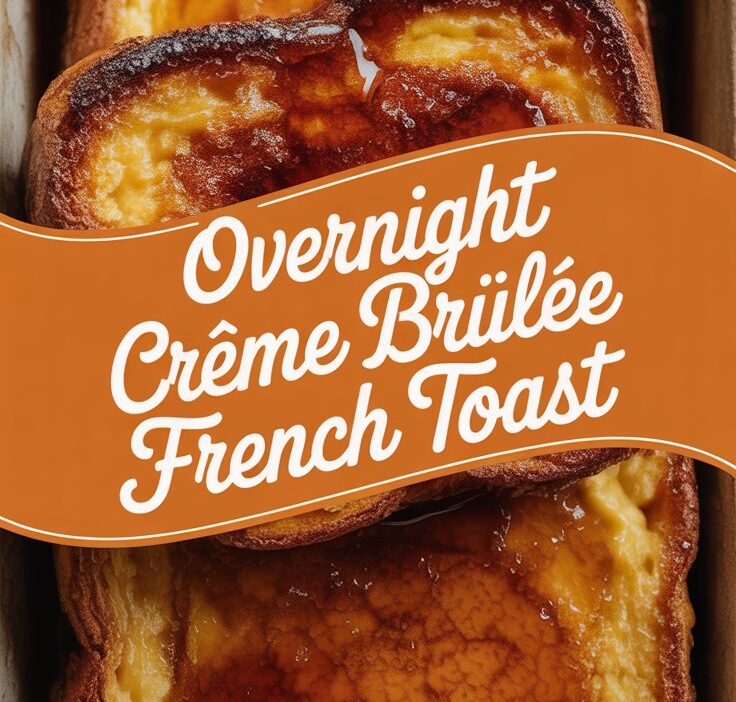
Crème Brûlée French Toast is more than just a breakfast recipe—it is a celebration of texture, flavor, and culinary creativity. By blending the silky custard richness of classic crème brûlée with the comforting familiarity of French toast, this dish transforms an ordinary morning into a luxurious experience. Whether served at a relaxed weekend brunch, a festive holiday gathering, or a special family breakfast, this recipe delivers elegance without unnecessary complexity.
Unlike traditional French toast, which is often pan-fried and served immediately, Crème Brûlée French Toast embraces a slower, more thoughtful process. Thick slices of bread are soaked in a vanilla-infused custard, baked until tender and golden, and finished with a crisp caramelized sugar topping that cracks delicately under a fork. The result is a contrast of creamy interior and crisp exterior that feels indulgent yet balanced.
This comprehensive guide is designed to be user-friendly, fully optimized for search engines, and written with originality at its core. Every section is crafted to provide real value—no filler, no duplication, and no borrowed content. From understanding ingredients to mastering technique, this article equips you with everything needed to create a flawless Crème Brûlée French Toast at home.
What Makes Crème Brûlée French Toast Special
Crème Brûlée French Toast stands apart from standard breakfast dishes because it borrows principles from classic French pastry-making. Instead of relying solely on eggs and milk, it incorporates cream and sugar in precise balance, producing a custard that is rich yet not overwhelming. The caramelized sugar topping is not merely decorative; it introduces a textural contrast that elevates the dish into gourmet territory.
Another defining characteristic is its versatility. It can be prepared as an overnight bake for convenience or assembled and baked the same day for spontaneous occasions. This flexibility makes it appealing to both experienced home cooks and beginners looking to impress without stress.
Perhaps most importantly, this dish appeals to a wide audience. Adults appreciate its refined flavor profile, while children are drawn to the sweet, crackly topping. It bridges the gap between dessert and breakfast in a way that feels intentional rather than excessive.
A Brief Inspiration Behind the Dish
The inspiration for Crème Brûlée French Toast comes from the desire to bring restaurant-quality brunch dishes into the home kitchen. Many café-style breakfasts rely on expensive equipment or complicated methods, but this recipe demonstrates that elegance can be achieved with accessible tools and thoughtful technique.
French toast itself has existed for centuries as a way to use leftover bread. Crème brûlée, on the other hand, represents refinement and indulgence. Combining the two honors both traditions: resourcefulness and luxury. This harmony is what makes the dish timeless and universally appealing.
Essential Ingredients and Their Role
Understanding ingredients is the foundation of success. Each component in Crème Brûlée French Toast serves a specific purpose, and substitutions should be made carefully.
Bread Selection
Bread is the structural backbone of this recipe. Brioche and challah are ideal because of their enriched dough and sturdy crumb. They absorb custard without collapsing and provide a subtle sweetness that complements the vanilla custard.
Using slightly stale bread is strongly recommended. Fresh bread tends to absorb liquid too quickly, leading to a soggy texture. If only fresh bread is available, allowing it to air-dry for several hours or lightly toasting it can improve results.
Eggs
Eggs provide structure and richness. They thicken the custard during baking, ensuring the toast sets properly while remaining tender. Large eggs are preferred for consistency.
Cream and Dairy Balance
Heavy cream contributes to the luxurious mouthfeel associated with crème brûlée. Some variations use a combination of cream and milk to lighten the dish slightly, but cream should remain the dominant dairy component for authenticity.
Sugar
Granulated sugar sweetens the custard and is also used for caramelization. Fine sugar melts more evenly and creates a smooth, glass-like topping. Avoid sugars with high molasses content for the topping, as they burn easily.
Vanilla
Pure vanilla extract enhances every element of the dish. Its aromatic warmth is essential and should not be replaced with artificial alternatives.
Step-by-Step Preparation Guide
Preparing the Custard
Begin by whisking eggs, cream, sugar, and vanilla until completely smooth. The goal is a uniform mixture without streaks of egg white. Over-whisking should be avoided, as it can introduce excess air.
Soaking the Bread
Arrange bread slices in a shallow dish and pour the custard evenly over them. Allow the bread to soak long enough to absorb the custard but not so long that it loses structure. For baked versions, overnight soaking in the refrigerator is ideal.
Baking Method
Preheat the oven and grease a baking dish thoroughly. Arrange soaked bread in a single layer and pour any remaining custard over the top. Bake until the surface is golden and the center is just set.
Caramelizing the Sugar
Once baked, sprinkle an even layer of sugar on top. Use a kitchen torch to melt the sugar slowly, moving in circular motions until it forms a crisp caramel layer. If using a broiler, monitor closely to prevent burning.
Common Mistakes and How to Avoid Them
One of the most frequent errors is over-soaking the bread. While custard absorption is essential, excessive soaking leads to collapse during baking. Maintaining balance is key.
Another mistake is rushing the baking process with high heat. Moderate oven temperature ensures even cooking and prevents a dry exterior.
Skipping the caramelization step or applying uneven sugar results in inconsistent texture. Take time to distribute sugar evenly for best results.
Flavor Variations to Explore
Crème Brûlée French Toast is an excellent base for creative adaptations. Adding citrus zest introduces brightness, while spices such as nutmeg or cardamom provide warmth. Fresh berries can be layered between bread slices for natural sweetness.
For an elegant twist, a small amount of coffee or espresso powder can be added to the custard, creating a subtle depth of flavor.
Serving Suggestions and Pairings
This dish pairs beautifully with fresh fruit, lightly sweetened whipped cream, or a drizzle of pure maple syrup. Avoid overly heavy sides, as the toast itself is rich.
A simple fruit salad or lightly dressed greens can provide contrast and balance.
Make-Ahead, Storage, and Reheating
One of the greatest advantages of Crème Brûlée French Toast is its make-ahead potential. The custard and bread can be assembled the night before, reducing morning preparation time.
Leftovers should be stored in an airtight container and reheated gently in the oven to maintain texture. Caramelization should always be done just before serving.
Frequently Asked Questions
Is this recipe suitable for special occasions?
Yes, its presentation and flavor make it ideal for celebrations and brunch gatherings.
Can it be made without a torch?
Yes, a broiler can be used carefully as an alternative.
How sweet is the final result?
The sweetness is balanced, with most intensity coming from the caramelized topping rather than the custard itself.
Why This Recipe Works
This recipe succeeds because it respects balance—between sweetness and richness, simplicity and elegance, preparation and payoff. Each step is intentional, resulting in a dish that feels indulgent without excess.
Final Thoughts
Crème Brûlée French Toast represents the best of both worlds: the comfort of a familiar breakfast and the sophistication of a classic dessert. With thoughtful preparation and quality ingredients, it becomes a signature dish worthy of any table. By following this guide, you are not just cooking a recipe—you are creating an experience that will be Baked Crème Brûlée French
long after the last bite.