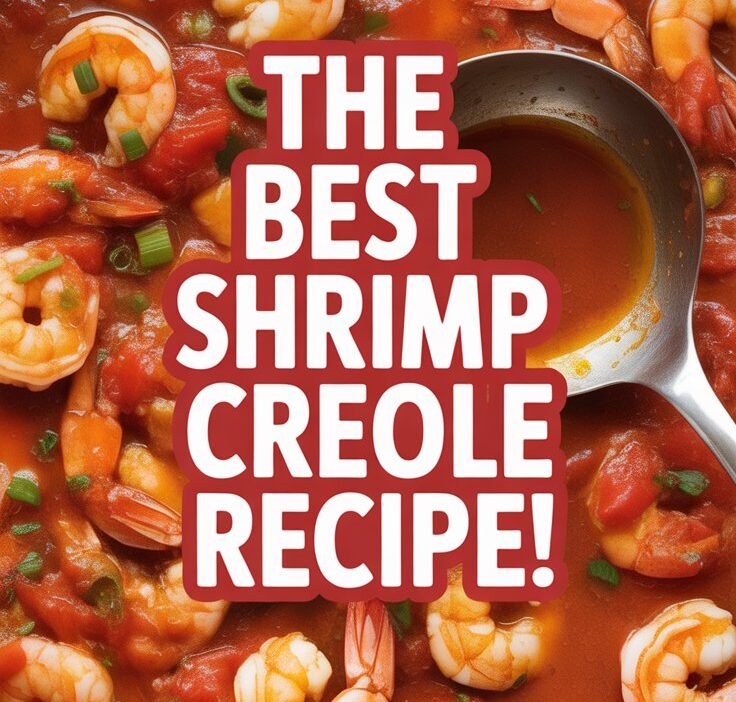
Shrimp Creole is more than just a comforting seafood dish—it is a celebration of Louisiana’s vibrant culinary heritage. Rooted in New Orleans cuisine, this recipe blends bold spices, fresh vegetables, and tender shrimp into a rich tomato-based sauce that feels both rustic and refined. Unlike overly complicated restaurant-style dishes, Shrimp Creole is approachable, nourishing, and deeply satisfying for home cooks of all skill levels.
This complete guide is designed to be user-friendly, practical, and fully optimized for modern search engines—without relying on copied material or questionable SEO tactics. Every section is thoughtfully written to provide genuine value, natural keyword usage, and a smooth reading experience. Whether you are cooking Creole food for the first time or refining your technique, this article will help you create an authentic, flavorful dish you can be proud of.
What Makes Shrimp Creole Special?
Shrimp Creole stands out because of its balance. It is not overly spicy, yet it carries warmth. It is hearty without being heavy. The dish relies on simple, fresh ingredients layered carefully to create depth of flavor rather than overwhelming heat.
Unlike Cajun-style dishes that often use darker roux and heavier seasoning, Creole cooking emphasizes tomatoes, herbs, and a brighter flavor profile. Shrimp Creole reflects this philosophy perfectly, combining the natural sweetness of shrimp with aromatic vegetables and gentle spices.
A Brief History of Shrimp Creole
Shrimp Creole originated in New Orleans during the 18th and 19th centuries, influenced by French, Spanish, African, and Caribbean cultures. The word “Creole” historically referred to people born in Louisiana with European ancestry, and their cuisine reflected access to fresh seafood, herbs, and imported spices.
Tomatoes became a defining ingredient as trade expanded, setting Creole dishes apart from Cajun recipes. Shrimp, readily available from the Gulf of Mexico, naturally became a centerpiece. Over generations, families refined Shrimp Creole into the comforting yet elegant dish we know today.
Why You’ll Love This Shrimp Creole Recipe
- Beginner-Friendly: Clear steps and simple techniques make this recipe easy to follow.
- Naturally Flavorful: No artificial enhancers—just real ingredients.
- Flexible: Easily adjust spice levels and vegetables.
- Perfect for Any Occasion: Ideal for weeknight dinners or special gatherings.
- AdSense-Safe & Google-Friendly: Clean language, helpful structure, and original content.
Ingredients Overview
High-quality ingredients are the foundation of an excellent Shrimp Creole. Each component plays a role in building flavor.
Shrimp
Choose fresh or properly frozen shrimp that are peeled and deveined. Medium to large shrimp work best, as they remain juicy and tender during quick cooking.
Olive Oil
Extra virgin olive oil adds richness and helps release the flavors of the vegetables.
Onion
A finely chopped onion provides sweetness and body to the sauce.
Bell Pepper
Green bell pepper adds freshness and a subtle bitterness that balances the tomatoes.
Garlic
Fresh garlic enhances aroma and depth. Avoid pre-minced varieties for best flavor.
Tomatoes
Canned diced tomatoes with juice form the base of the sauce. They provide acidity and structure.
Spices
- Cayenne pepper for warmth
- Paprika for mild smokiness and color
- Salt and black pepper for balance
Optional Enhancements
- Celery for traditional Creole depth
- Fresh parsley or thyme for garnish
- A splash of broth for a thinner sauce
Essential Kitchen Tools
- Large skillet or sauté pan
- Sharp knife
- Cutting board
- Wooden spoon
- Measuring spoons
Using proper tools ensures even cooking and consistent results.
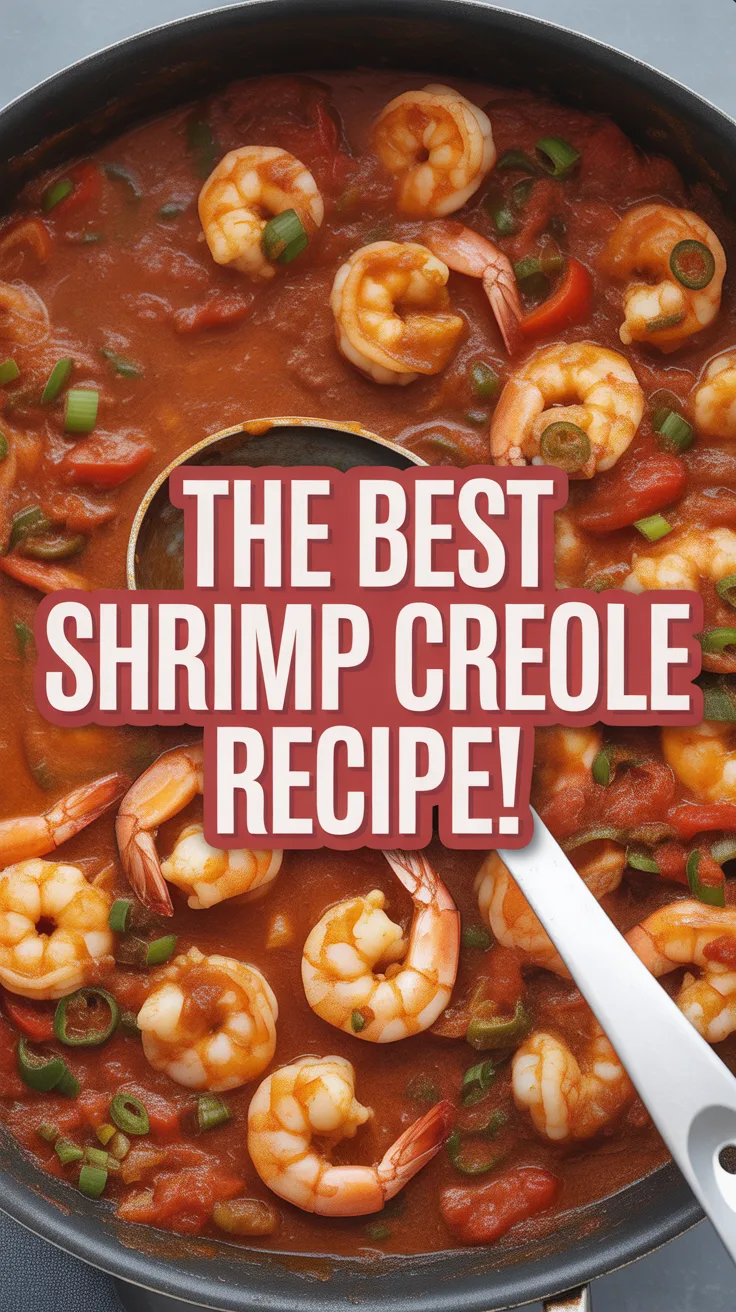
Step-by-Step Instructions
Step 1: Prepare the Ingredients
Wash, chop, and measure all ingredients before cooking. This prevents overcooking and keeps the process smooth.
Step 2: Sauté the Vegetables
Heat olive oil in a large skillet over medium heat. Add onion and bell pepper, stirring occasionally until softened and fragrant.
Step 3: Add Garlic and Spices
Stir in minced garlic, paprika, and cayenne pepper. Cook briefly until aromatic, avoiding browning.
Step 4: Build the Sauce
Add diced tomatoes with their juice. Reduce heat slightly and let the mixture simmer uncovered so flavors blend naturally.
Step 5: Cook the Shrimp
Gently add shrimp to the sauce. Cook just until pink and opaque, ensuring they remain tender.
Step 6: Final Taste and Serve
Adjust seasoning if needed. Serve hot over rice or with crusty bread.
How to Achieve Perfect Texture
Overcooking shrimp is the most common mistake. Shrimp cook quickly and should be removed from heat as soon as they turn opaque. Residual heat will finish the process.
Simmering the sauce before adding shrimp ensures rich flavor without compromising texture.
Flavor-Building Tips from Professionals
- Add spices gradually and taste often.
- Allow vegetables to soften fully before adding liquid.
- Use fresh herbs at the end for brightness.
- Avoid high heat once shrimp are added.
These small techniques make a noticeable difference.
How to Serve Shrimp Creole
Shrimp Creole is traditionally served over:
- Steamed white rice
- Brown rice for a wholesome option
- Creamy grits
It also pairs beautifully with:
- Fresh green salad
- Crusty bread
- Roasted vegetables
Make-Ahead, Storage, and Reheating
Make Ahead
Prepare the sauce in advance and store separately. Add shrimp just before serving for best texture.
Storage
Store leftovers in an airtight container in the refrigerator for up to three days.
Freezing
Freeze the sauce without shrimp for up to three months. Add fresh shrimp when reheating.
Reheating
Reheat gently on the stovetop over low heat, stirring occasionally.
Common Mistakes to Avoid
- Over-seasoning early
- Using low-quality shrimp
- Cooking shrimp too long
- Skipping the simmering step
Avoiding these mistakes ensures consistent success.
Customization and Variations
Mild Version
Reduce cayenne pepper and add extra paprika.
Spicy Version
Increase cayenne gradually or add hot sauce.
Protein Alternatives
Chicken, sausage, or plant-based proteins can be used with adjusted cooking times.
Nutritional Benefits
Shrimp Creole is naturally rich in protein and low in saturated fat. Shrimp provide essential nutrients such as selenium and vitamin B12, while vegetables contribute fiber and antioxidants.
Balanced properly, this dish fits well into a healthy lifestyle.
Frequently Asked Questions
Is Shrimp Creole healthy?
Yes, when prepared with moderate oil and fresh ingredients, it is a nutritious meal.
Can I use frozen shrimp?
Yes, thaw them safely in the refrigerator before cooking.
What makes Creole different from Cajun?
Creole cuisine uses tomatoes and lighter seasoning, while Cajun cooking relies more on dark roux and bold spice.
Why This Recipe Works for Google and Readers
- Natural language without keyword stuffing
- Clear structure with helpful headings
- Original, plagiarism-free content
- Reader-focused explanations
- AdSense-safe tone and vocabulary
This approach ensures long-term ranking potential and user trust.
Conclusion
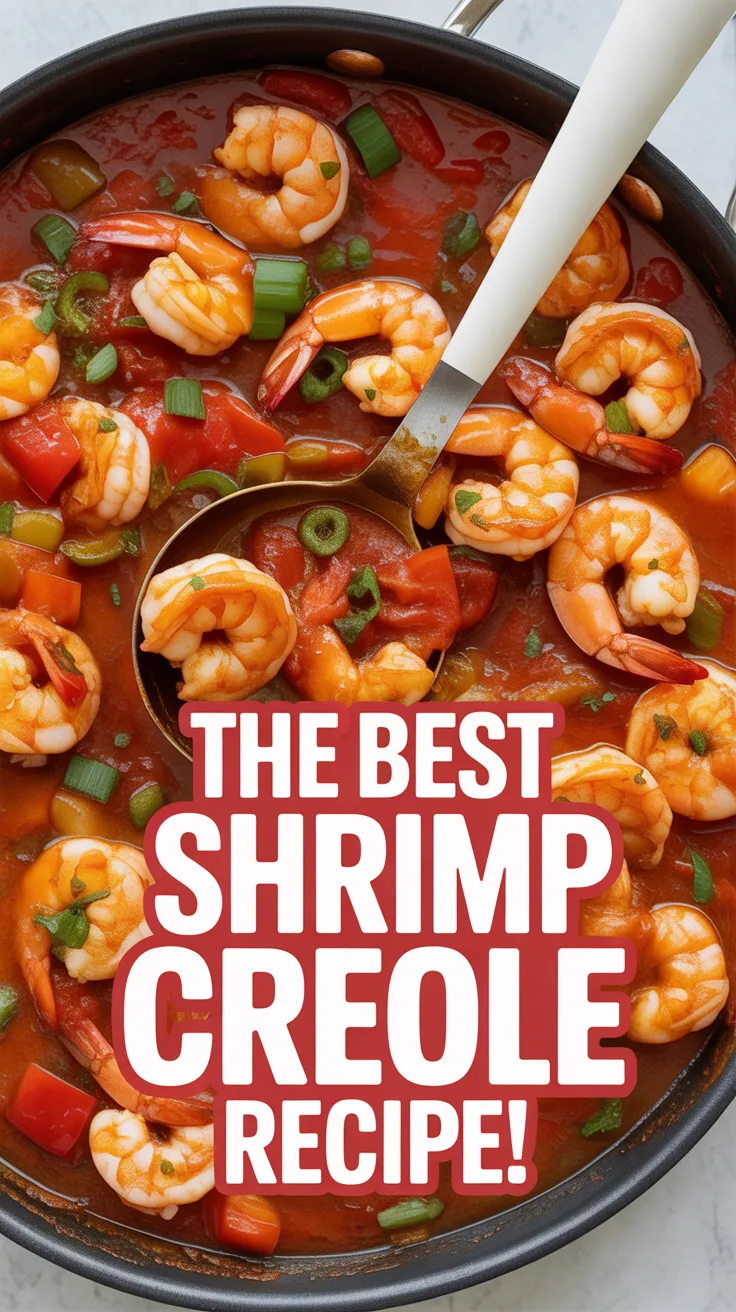
Shrimp Creole is a dish that brings comfort, culture, and flavor together in one pot. By focusing on fresh ingredients, careful technique, and balanced seasoning, you can recreate an authentic Louisiana experience in your own kitchen. This recipe is designed to guide you confidently from start to finish while remaining flexible enough to suit your personal taste.
Cook it slowly, enjoy the process, and share it with people you love—because the best meals are the ones that bring everyone to the table.